













Prices are typically converted from foreign currencies and may fluctuate based on prevailing exchange rates.


Plancius

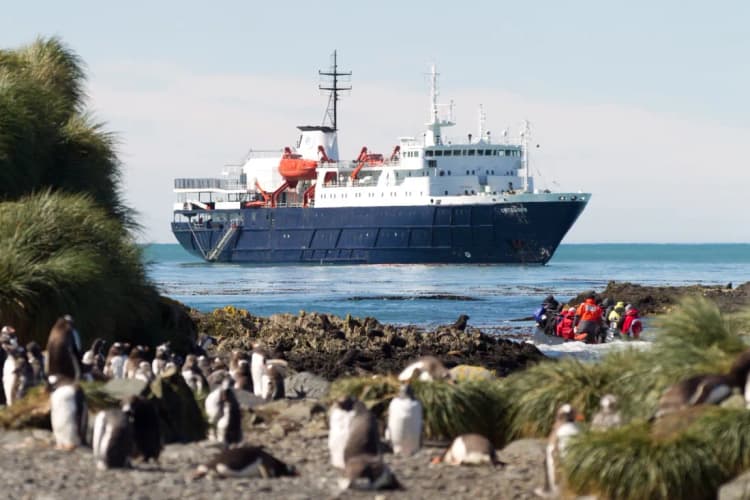
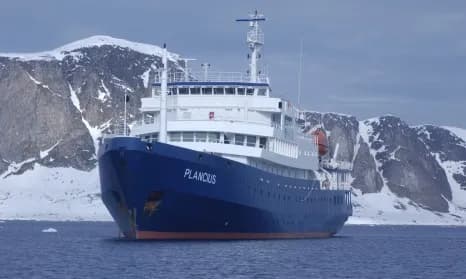
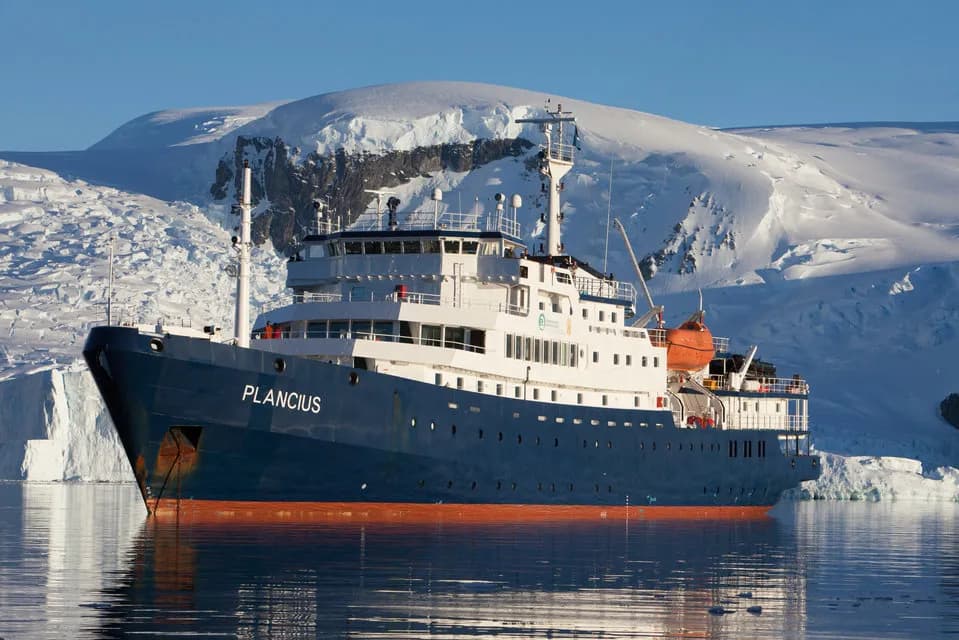
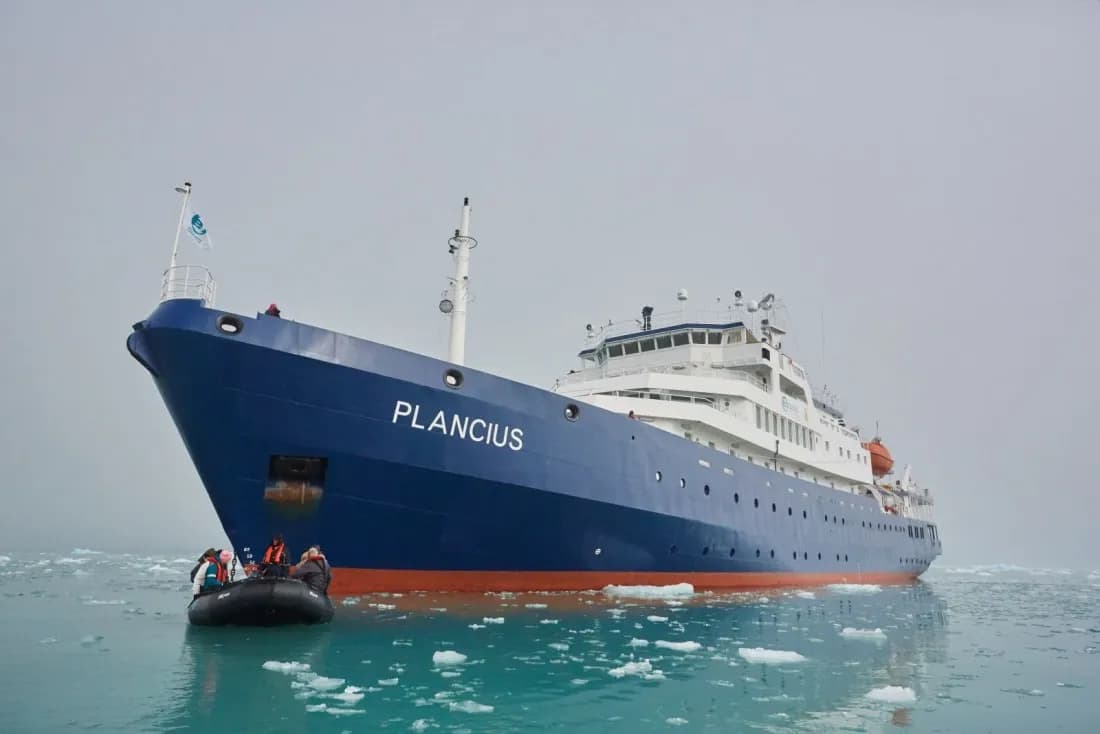
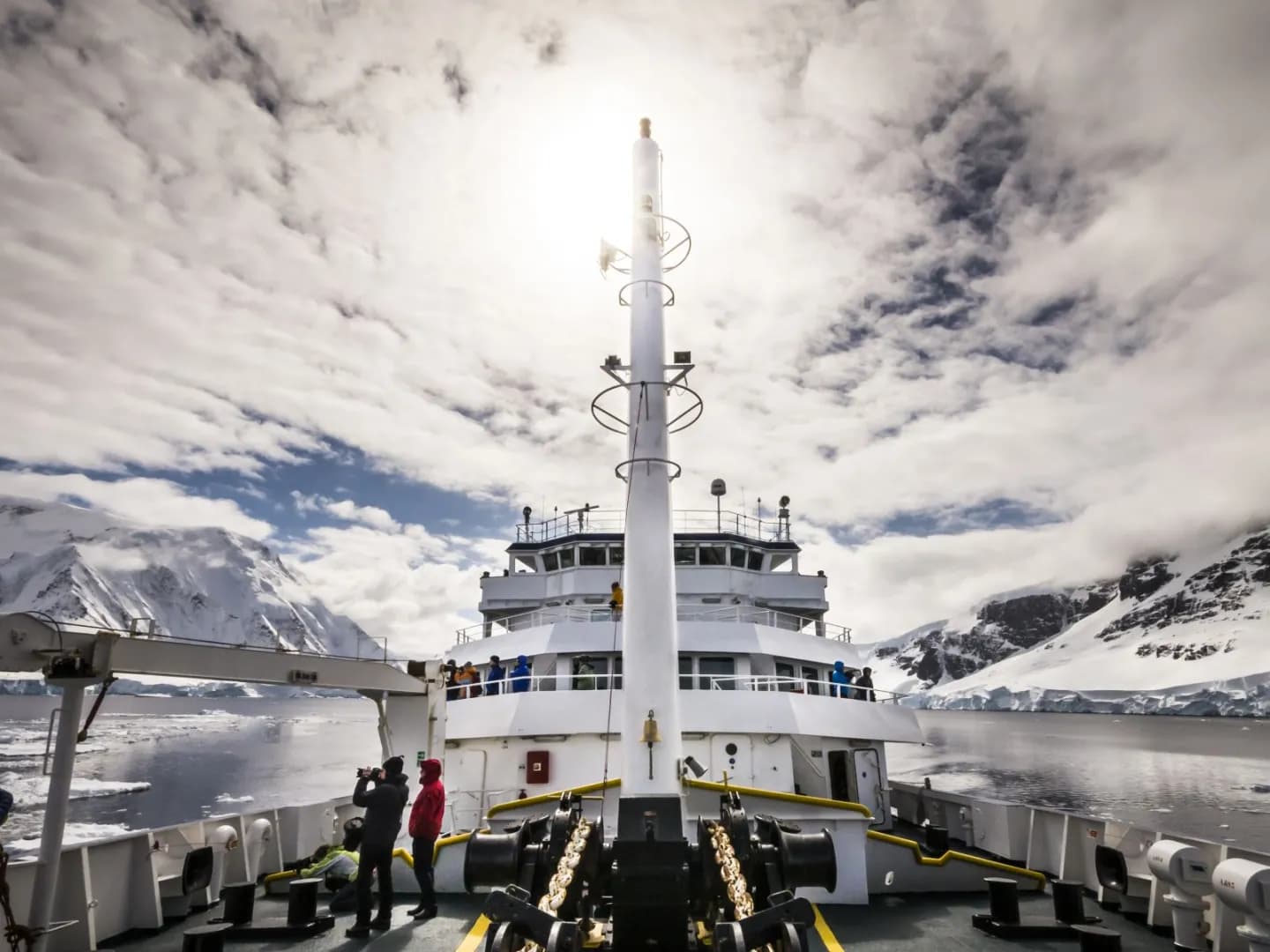
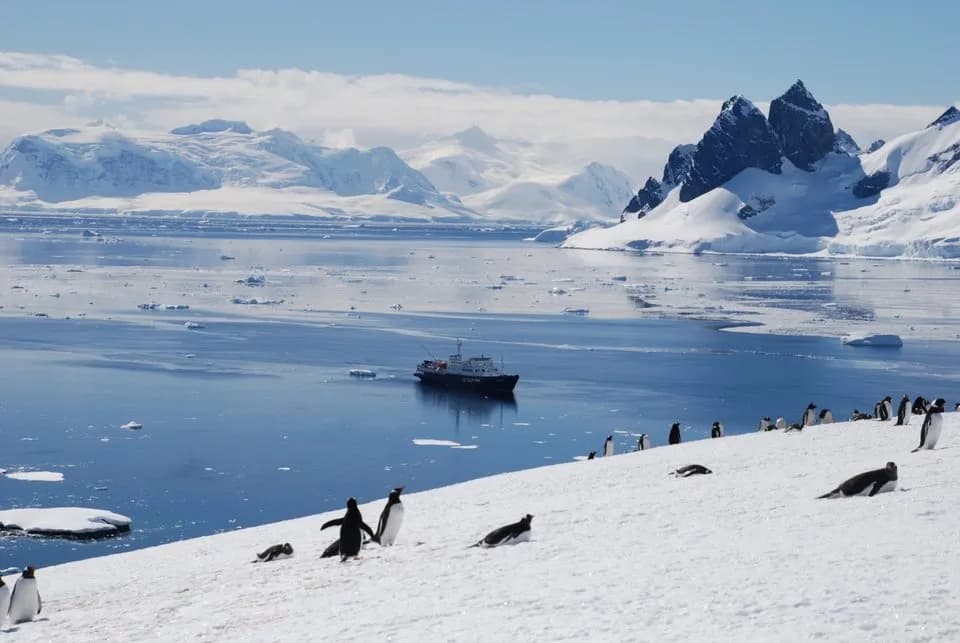
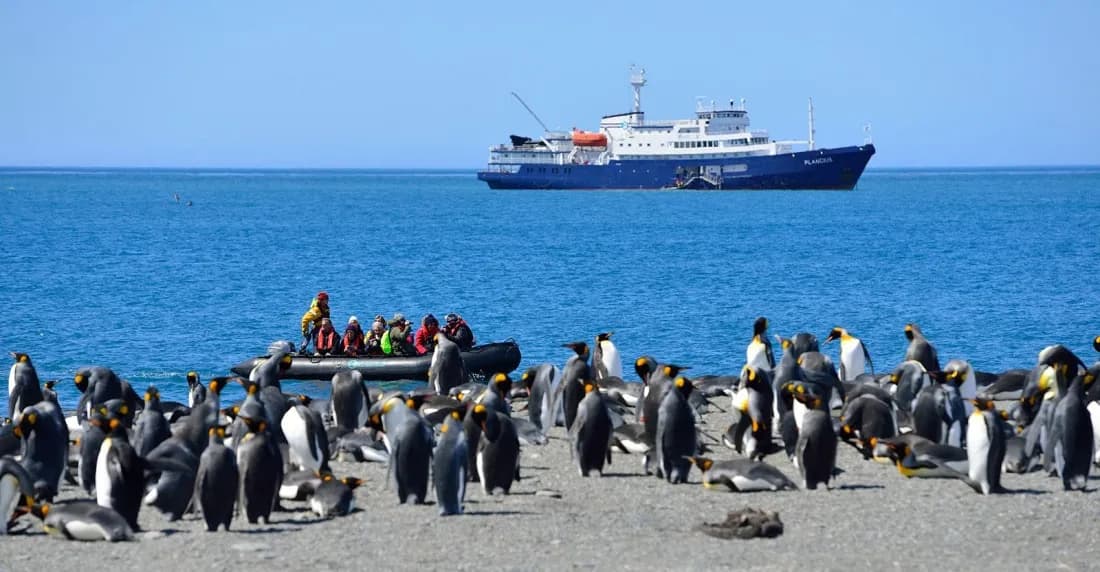
M/V Plancius is a modern expedition vessel designed for polar cruises, offering comfortable accommodations, expert-guided wildlife encounters, and unforgettable adventures in Antarctica and the Arctic.


 ---
--- 

74
Number of Cabins
Location
Trips depart from Ushuaia, on the island of Tiera del Fuego in Argentina.
Dive Overview
Antarctica offers a unique and thrilling polar diving experience as one of the last grand and remote areas of wilderness on earth. Divers get to take part in the pioneering exploration of these isolated waters, viewing stunning ice formations, glaciers, and some of the globe's most rarely seen wildlife.
[See: Antarctica Dive Travel Guide]
Accommodation Overview
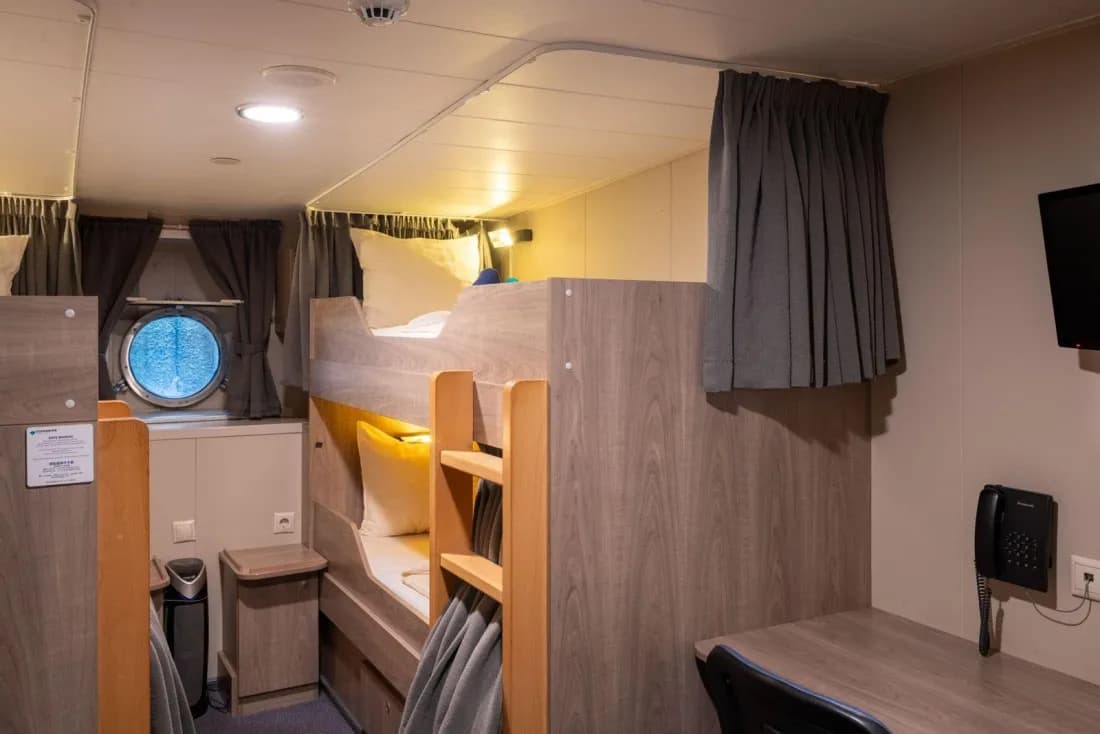
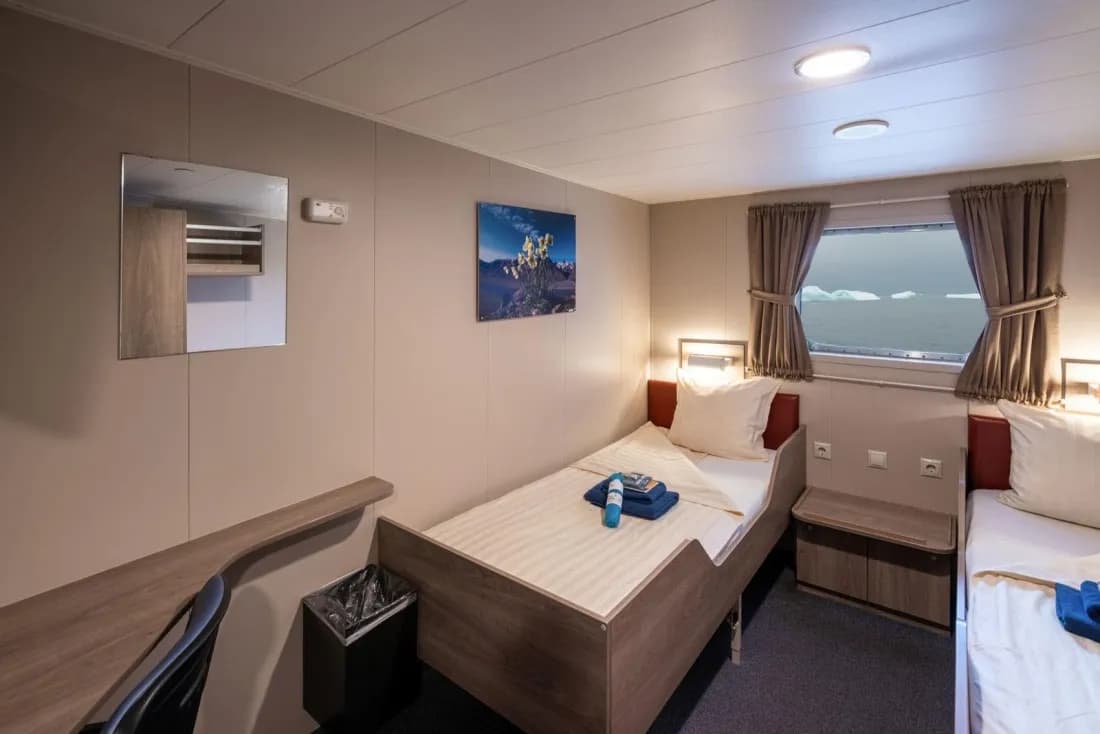
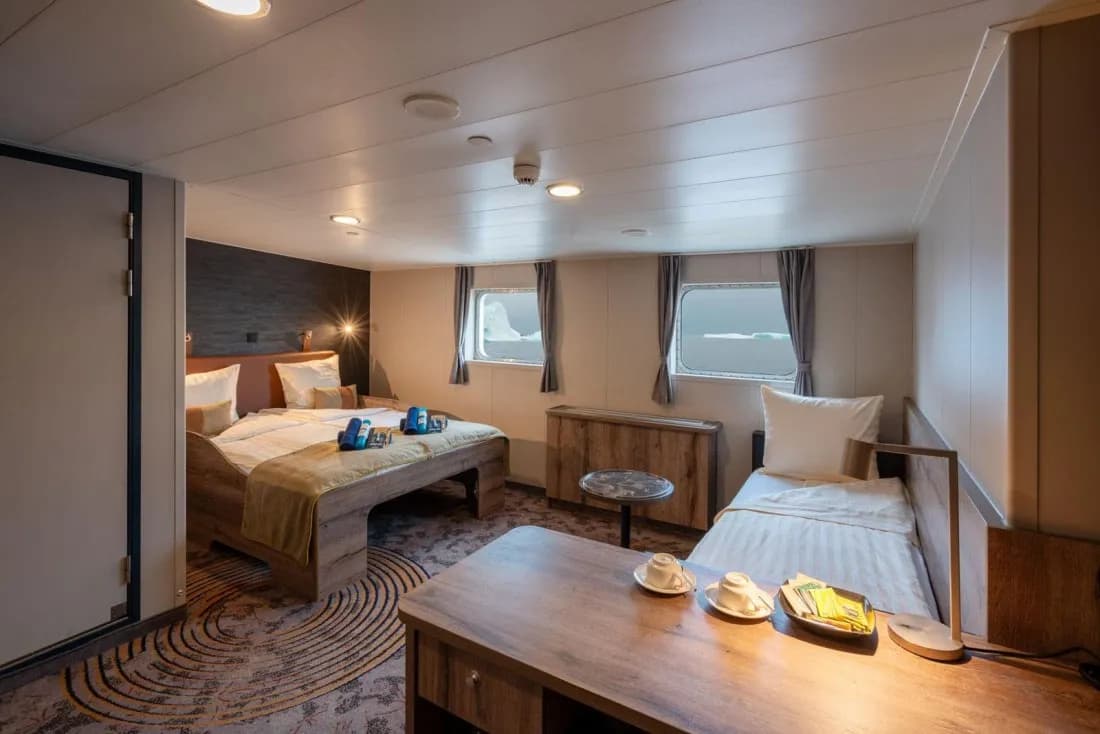
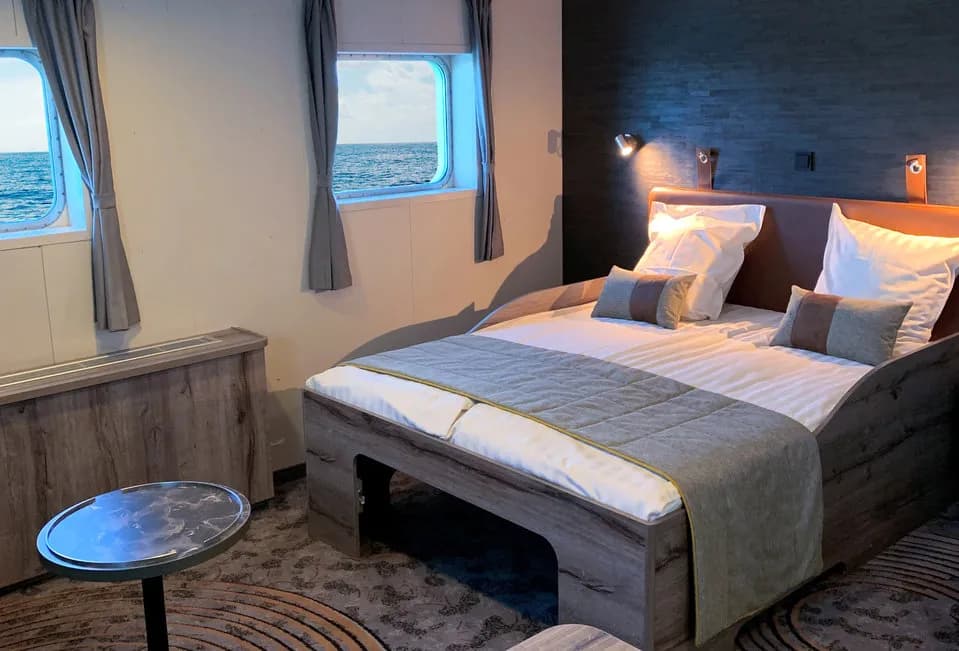
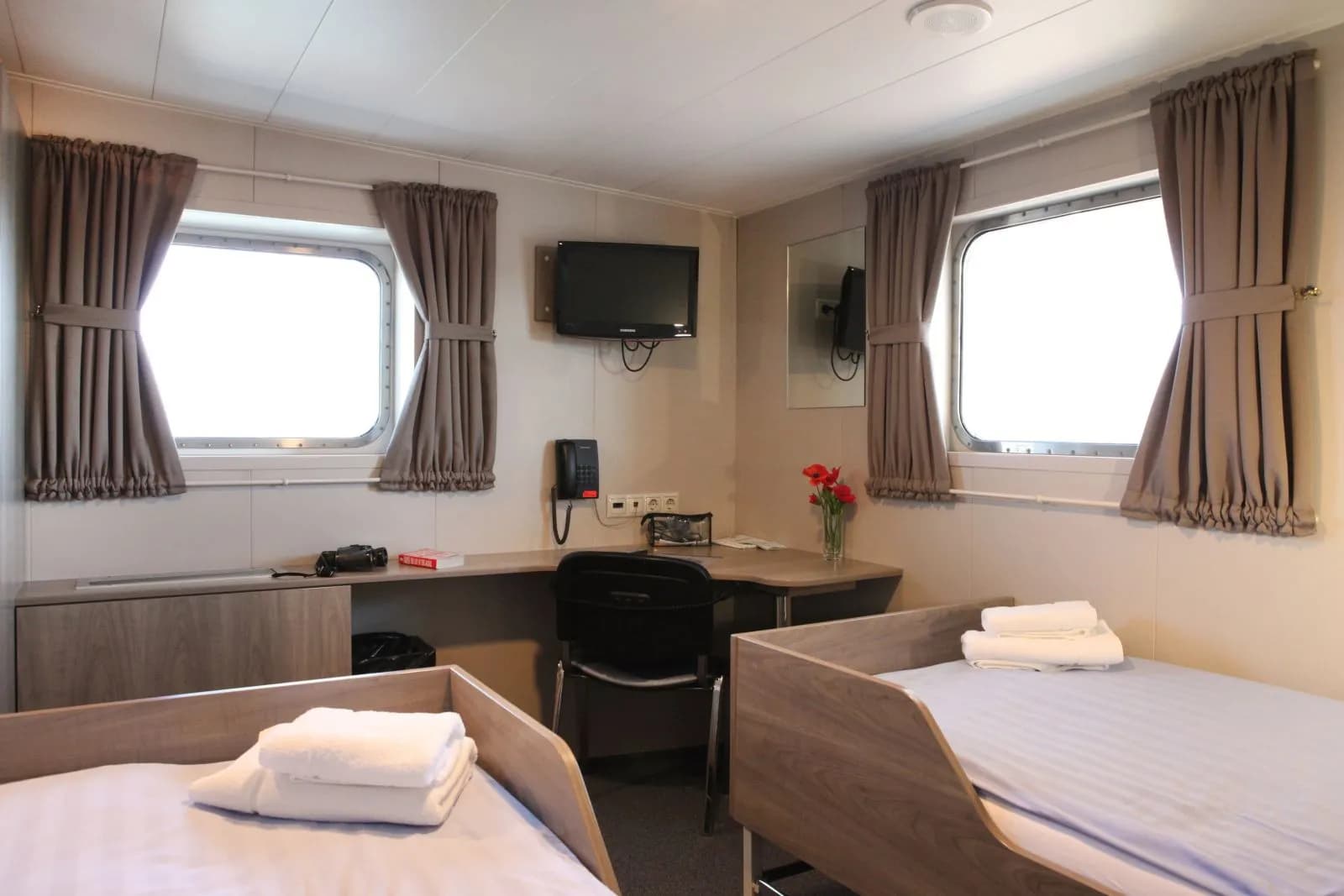
M/V "Plancius" accommodates 108 passengers in 52 passenger cabins with private toilet and shower in 4 quadruple porthole cabins, 11 twin porthole cabins, 25 twin cabins with window and 2 twin deluxe cabins (ca. 12,5 square meters), and 10 twin superior cabins (ca. 21 square meters). All cabins offer lower berths (one queen-size bed in the superior cabins and two single beds in the twin cabins), except for the 4 quadruple cabins (for 4 persons in 2x upper and lower beds), and 2 triple cabins (1 bunk bed plus 1 lower bed).


Quadruple Porthole & Twin Window Cabins


Twin Deluxe & Superior Cabins


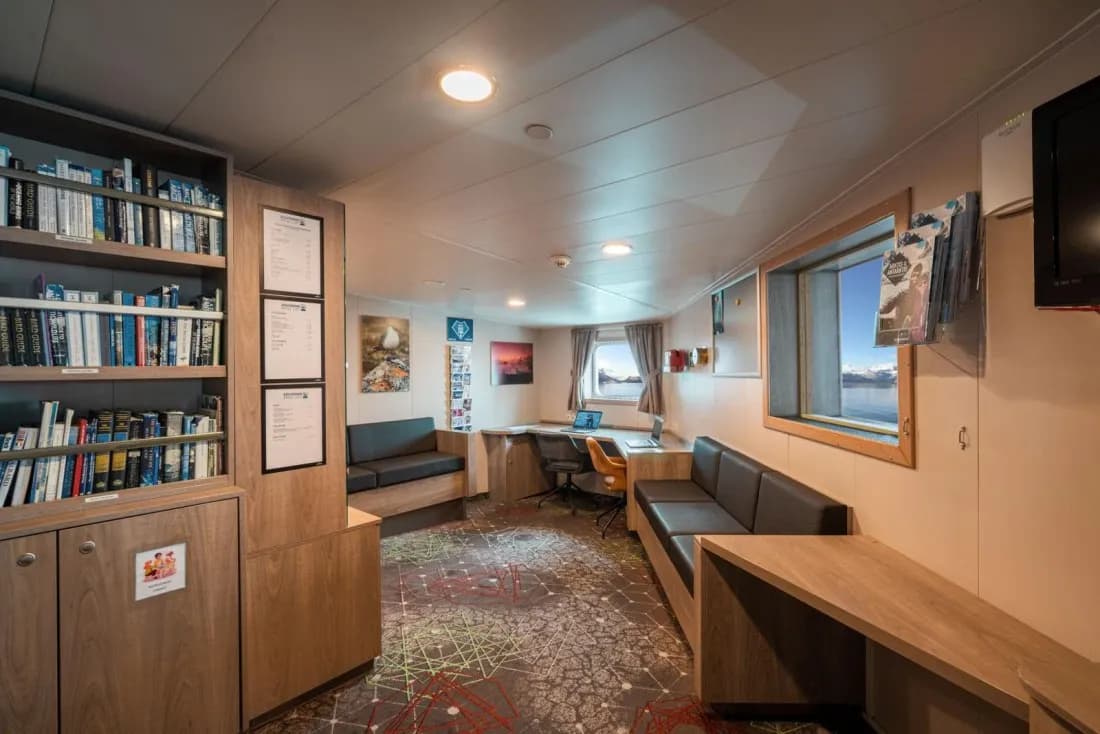
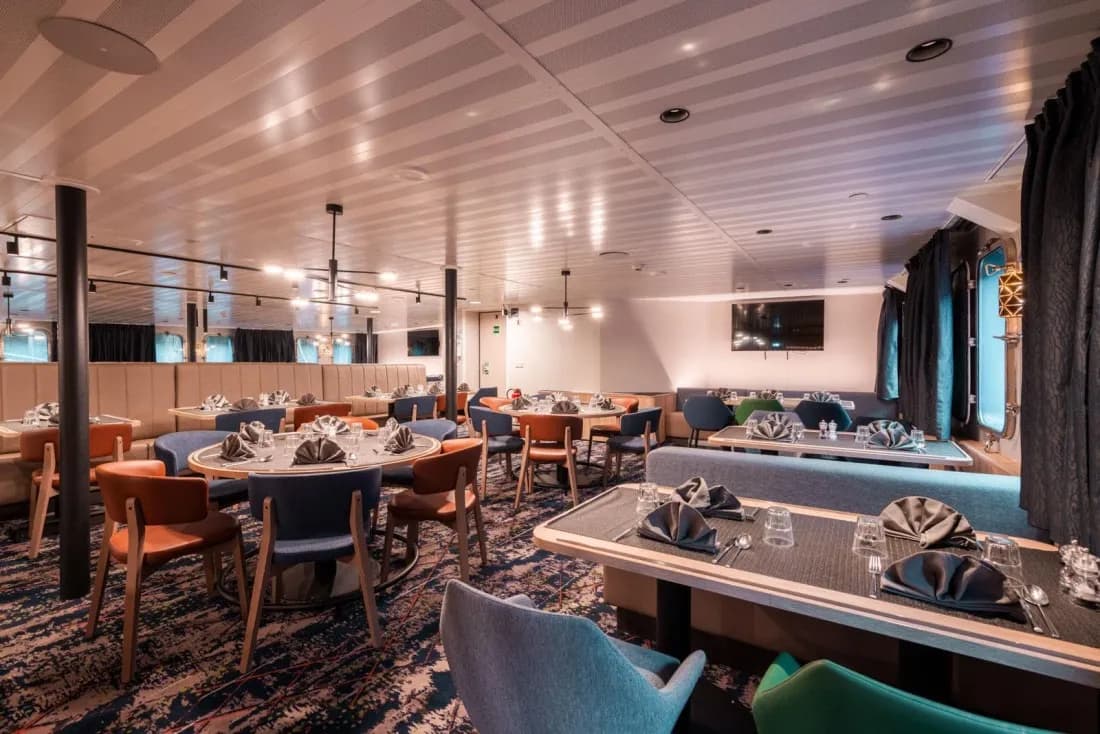
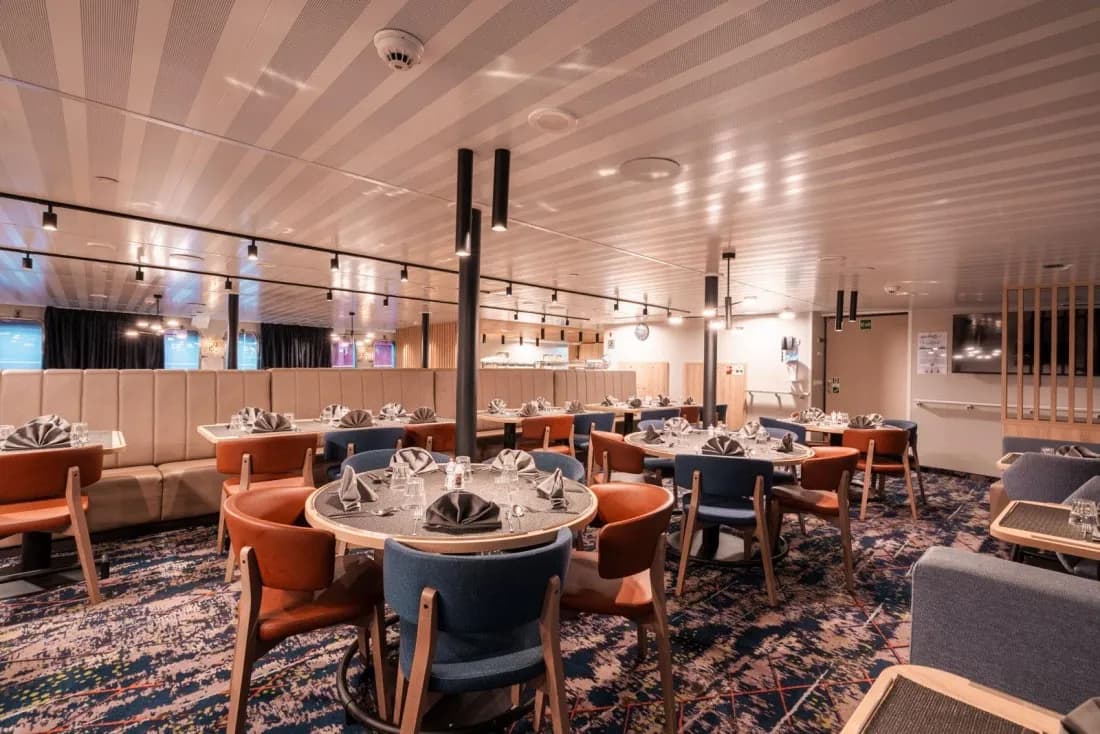
Dining/Lecture Room & Library
Cabin details


Diving Spaces, various cabins & decks Lower Deck

Diving Spaces - various cabins & decks
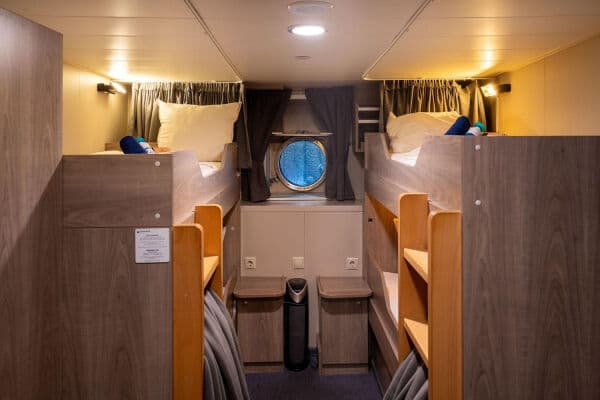
Quadruple Porthole
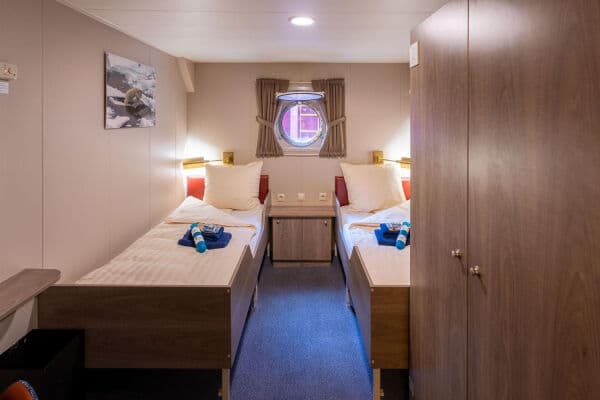
Twin Porthole

Twin Window
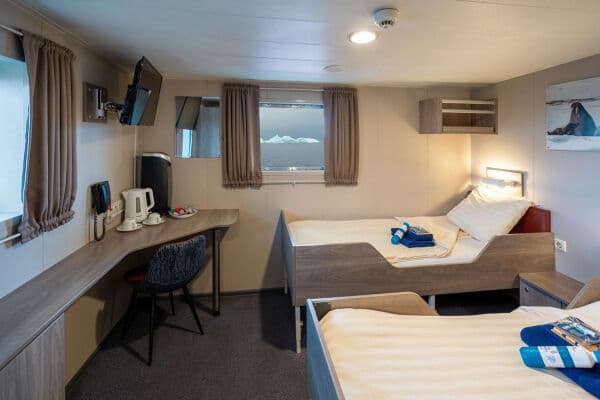
Twin Deluxe
Superior
Boat features
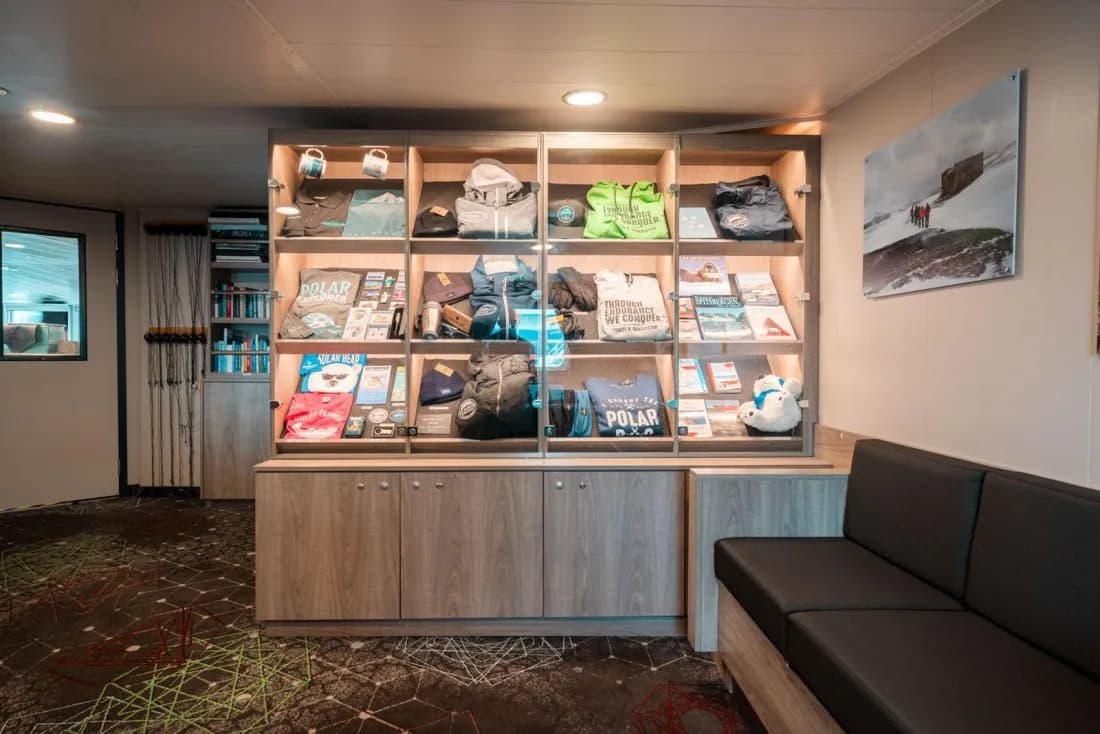
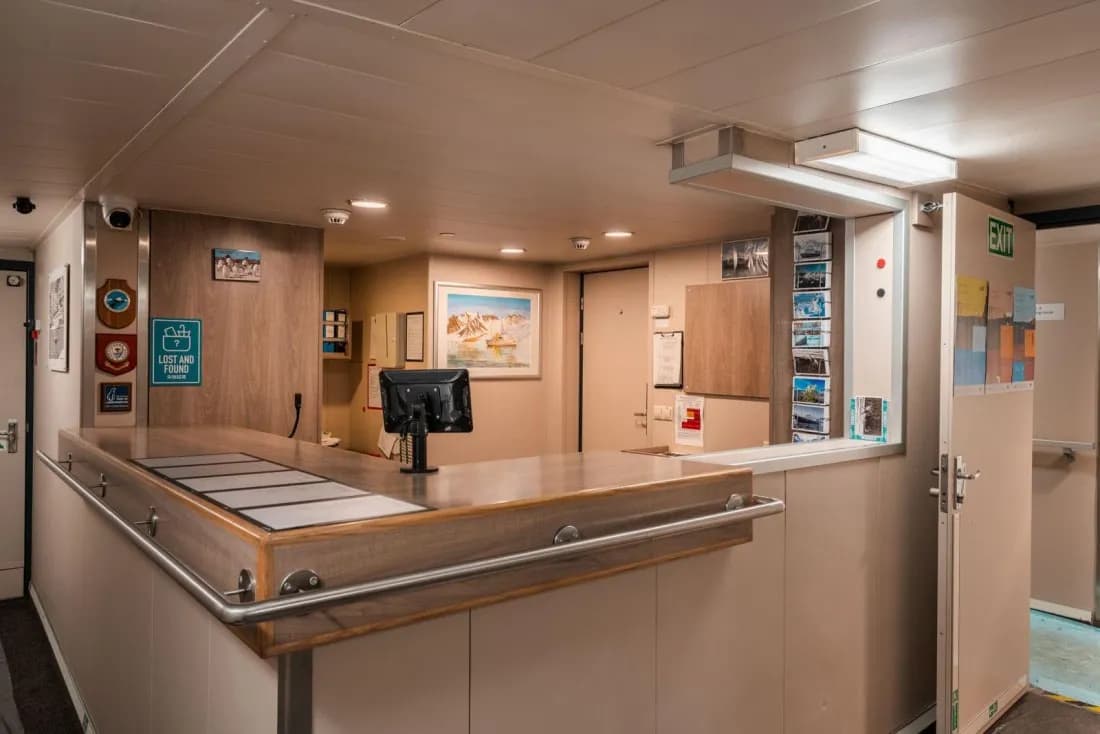
Boat facilities
Deck plan
-optimized.webp&w=3840&q=75)
Plancius dates
 ---
--- Prices are typically converted from foreign currencies and may fluctuate based on prevailing exchange rates.
 9 Mar 2026 - 23 Mar 2026
 Antarctica - Elephant Island - Weddell Sea - Polar Circle - Aurora Australis / Southern Lights (Ushuaia) to (Ushuaia)
15 days14 nights

17/100 spots left
from $11,050
23 Mar 2026 - 1 Apr 2026
Antarctica - Whale watching (Ushuaia) to (Ushuaia)
10 days9 nights
6/100 spots left
from $11,050
16 Aug 2026 - 25 Aug 2026
East Greenland, Scoresby Sund, Including Long Hikes (Akureyri) to (Akureyri)
10 days9 nights
20/100 spots left
from $11,050
2 Mar 2027 - 12 Mar 2027
Antarctica - Weddell Sea Explorer (Ushuaia) to (Ushuaia)
11 days10 nights
26/100 spots left
from $11,050
12 Mar 2027 - 26 Mar 2027
Antarctica - Elephant Island - Weddell Sea - Polar Circle (Ushuaia) to (Ushuaia)
15 days14 nights
24/100 spots left
from $11,050
Detailed information about the itinerary
Marine Life
During the Antarctic dive expedition, you may observe penguins from under the surface as well as leopard seals. The Falkland Islands are rich in krill (which is consumed by many species) and therefore interesting for finding marine wildlife. The dive sites will vary from shallow ice diving, diving along a wall, from a beach, or from the zodiac. The maximum depth is around 20 meters / 60 feet. The combination of sunlight and the often extraordinary formations of ice causes an overwhelming, everchanging specter of colors, with a fantastic variety of shades and brilliance. While snorkeling or diving along the ice-floes, you will be amazed and never forget these deep blue colors. Diving in Antarctica does not only offer ice, but also interesting marine life, such as kelp walls, sea snails, crabs, sea butterflies, various Antarctic fish, shrubby horse-tails, jelly-fishes, sea hedgehogs, starfishes, krill, and giant isopods. You may have the possibility to snorkel or dive with Fur seals, Leopard seals, and Penguins.
Experience & Qualification - These voyages are not for beginners, youll have to be a very experienced diver and must be familiar with cold water diving and dry suit diving(at least 30 drysuit dives in 4C or below). Before departure, you will have to show an internationally accepted diving certificate and divers logbook, (you must include copies when completing your diver's personal information form). The first dive of the trip will be a check dive to try out your gear and weights and for our Dive Team Leader to see if all individual divers have enough experience to dive in the Antarctic waters.
Polar Circle - Antarctic Peninsula

- This Polar Circle and Antarctic Peninsula cruise passes through waters traveled by Humpback, Minke and Fin whales. Anchoring in various spots around the region, the expedition offers the chance to hike and dive in the iceberg-heavy waters.
Marine Life
During the Antarctic dive expedition, you may observe penguins from under the surface as well as leopard seals. The Falkland Islands are rich in krill (which is consumed by many species) and therefore interesting for finding marine wildlife. The dive sites will vary from shallow ice diving, diving along a wall, from a beach, or from the zodiac. The maximum depth is around 20 meters / 60 feet. The combination of sunlight and the often extraordinary formations of ice causes an overwhelming, everchanging specter of colors, with a fantastic variety of shades and brilliance. While snorkeling or diving along the ice-floes, you will be amazed and never forget these deep blue colors. Diving in Antarctica does not only offer ice, but also interesting marine life, such as kelp walls, sea snails, crabs, sea butterflies, various Antarctic fish, shrubby horse-tails, jelly-fishes, sea hedgehogs, starfishes, krill, and giant isopods. You may have the possibility to snorkel or dive with Fur seals, Leopard seals, and Penguins.
Experience & Qualification - These voyages are not for beginners, youll have to be a very experienced diver and must be familiar with cold water diving and dry suit diving(at least 30 drysuit dives in 4C or below). Before departure, you will have to show an internationally accepted diving certificate and divers logbook, (you must include copies when completing your diver's personal information form). The first dive of the trip will be a check dive to try out your gear and weights and for our Dive Team Leader to see if all individual divers have enough experience to dive in the Antarctic waters.
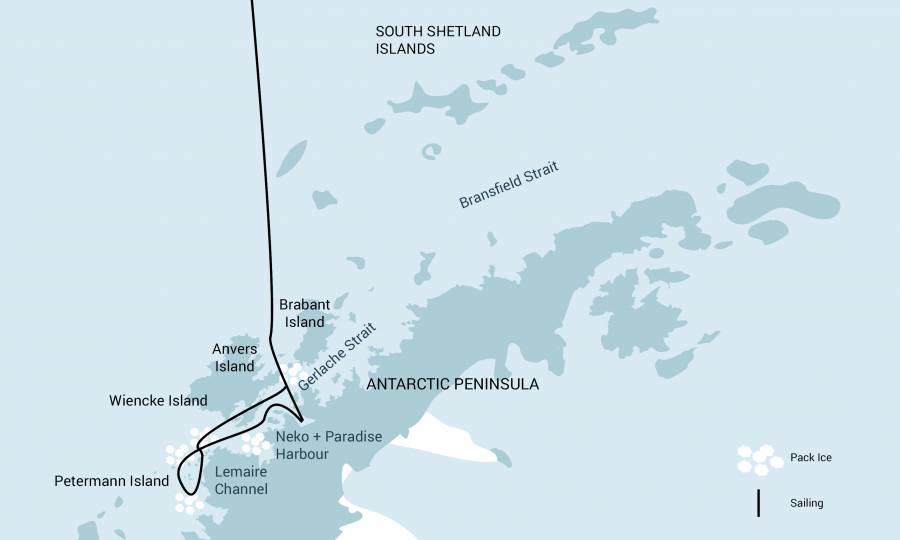
Antarctic Peninsula - Basecamp Plancius

- The 12-day Antarctic Peninsula Basecamp Plancius cruise offers you a myriad of ways to explore and enjoy the Antarctic Region. This expedition allows you to hike, snowshoe, kayak, go mountaineering, and even camp out under the Southern Polar skies.
Marine Life
During the Antarctic dive expedition, you may observe penguins from under the surface as well as leopard seals. The Falkland Islands are rich in krill (which is consumed by many species) and therefore interesting for finding marine wildlife. The dive sites will vary from shallow ice diving, diving along a wall, from a beach, or from the zodiac. The maximum depth is around 20 meters / 60 feet. The combination of sunlight and the often extraordinary formations of ice causes an overwhelming, everchanging specter of colors, with a fantastic variety of shades and brilliance. While snorkeling or diving along the ice-floes, you will be amazed and never forget these deep blue colors. Diving in Antarctica does not only offer ice, but also interesting marine life, such as kelp walls, sea snails, crabs, sea butterflies, various Antarctic fish, shrubby horse-tails, jelly-fishes, sea hedgehogs, starfishes, krill, and giant isopods. You may have the possibility to snorkel or dive with Fur seals, Leopard seals, and Penguins.
Experience & Qualification - These voyages are not for beginners, youll have to be a very experienced diver and must be familiar with cold water diving and dry suit diving(at least 30 drysuit dives in 4C or below). Before departure, you will have to show an internationally accepted diving certificate and divers logbook, (you must include copies when completing your diver's personal information form). The first dive of the trip will be a check dive to try out your gear and weights and for our Dive Team Leader to see if all individual divers have enough experience to dive in the Antarctic waters.
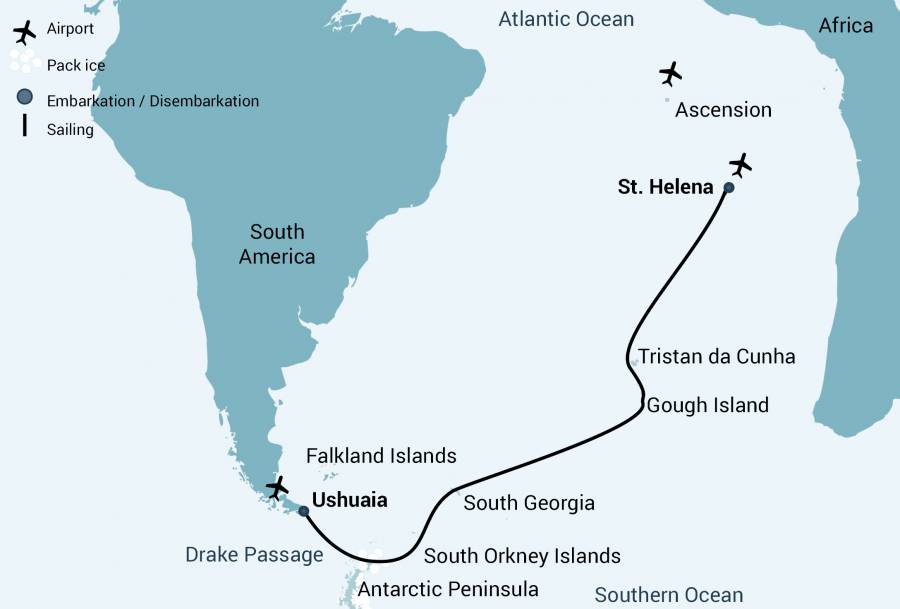
Atlantic Odyssey, Incl. Antarctic Peninsula

- The Atlantic Odyssey is a birdwatcher's delight as we cross paths with the migratory routes of species such as the Arctic Tern & the Long-tailed Skua. We visit some of the most remote islands in the world while crossing the Atlantic and the Equator.
Marine Life
During the Antarctic dive expedition, you may observe penguins from under the surface as well as leopard seals. The Falkland Islands are rich in krill (which is consumed by many species) and therefore interesting for finding marine wildlife. The dive sites will vary from shallow ice diving, diving along a wall, from a beach, or from the zodiac. The maximum depth is around 20 meters / 60 feet. The combination of sunlight and the often extraordinary formations of ice causes an overwhelming, everchanging specter of colors, with a fantastic variety of shades and brilliance. While snorkeling or diving along the ice-floes, you will be amazed and never forget these deep blue colors. Diving in Antarctica does not only offer ice, but also interesting marine life, such as kelp walls, sea snails, crabs, sea butterflies, various Antarctic fish, shrubby horse-tails, jelly-fishes, sea hedgehogs, starfishes, krill, and giant isopods. You may have the possibility to snorkel or dive with Fur seals, Leopard seals, and Penguins.
Experience & Qualification - These voyages are not for beginners, youll have to be a very experienced diver and must be familiar with cold water diving and dry suit diving(at least 30 drysuit dives in 4C or below). Before departure, you will have to show an internationally accepted diving certificate and divers logbook, (you must include copies when completing your diver's personal information form). The first dive of the trip will be a check dive to try out your gear and weights and for our Dive Team Leader to see if all individual divers have enough experience to dive in the Antarctic waters.
Falkland Islands - South Georgia - Antarctic Peninsula

- All (sub-)Antarctic highlights in one voyage, with spectacular landing sites on the Falkland Islands and encounters with black-browed albatrosses and rockhopper penguins. Youll have the chance to meet at least six different penguin species. Youll explore the transition from the sub-Antarctic to the Antarctic Polar Region, experiencing how the drop in temperature can make a huge impact on the colors of the surrounding landscapes; from the warmer tones of the sub-Antarctic side to the icy rugged beauty of the true Antarctic.
- Witness how those few degrees of difference in the transition zone can make the difference between an animal or plant species choosing to live on one side of the Antarctic Convergence (the Polar Front) or the other.
- This cruise includes also four days on South Georgia, probably the most beautiful place on earth. Be prepared for ten thousands of king penguins and their chicks, elephant seals, wandering albatrosses and Gentoo penguins and great historical sites including the trails of British Polar explorer Ernest Shackleton. We plan a visit to Orcadas station on South Orkney Islands and If the ice permits we will sail into the Weddell Sea through the ice-clogged Antarctic Sound. Huge tabular icebergs will announce our arrival to the eastern side of the Antarctic Peninsula.
Marine Life
During the Antarctic dive expedition, you may observe penguins from under the surface as well as leopard seals. The Falkland Islands are rich in krill (which is consumed by many species) and therefore interesting for finding marine wildlife. The dive sites will vary from shallow ice diving, diving along a wall, from a beach, or from the zodiac. The maximum depth is around 20 meters / 60 feet. The combination of sunlight and the often extraordinary formations of ice causes an overwhelming, everchanging specter of colors, with a fantastic variety of shades and brilliance. While snorkeling or diving along the ice-floes, you will be amazed and never forget these deep blue colors. Diving in Antarctica does not only offer ice, but also interesting marine life, such as kelp walls, sea snails, crabs, sea butterflies, various Antarctic fish, shrubby horse-tails, jelly-fishes, sea hedgehogs, starfishes, krill, and giant isopods. You may have the possibility to snorkel or dive with Fur seals, Leopard seals, and Penguins.
Experience & Qualification - These voyages are not for beginners, youll have to be a very experienced diver and must be familiar with cold water diving and dry suit diving(at least 30 drysuit dives in 4C or below). Before departure, you will have to show an internationally accepted diving certificate and divers logbook, (you must include copies when completing your diver's personal information form). The first dive of the trip will be a check dive to try out your gear and weights and for our Dive Team Leader to see if all individual divers have enough experience to dive in the Antarctic waters.
Antarctic Peninsula
- This Antarctic Peninsula is known as the Classic Antarctic route. Meet the great stars of the Antarctic, the penguins, found in the thousands in a variety of curious species. Investigate one of the most pristine regions left on Earth with the chance to have live encounters with spouting whales, resting seals, and the penguins who may very well decide to investigate you. Anchoring in various spots around the region, the expedition offers the chance to hike, kayak, and camp under the Antarctic sky.


More information about this trip

Included
- Voyage aboard the indicated vessel as indicated in the itinerary
- All meals throughout the voyage aboard the ship including snacks, coffee and tea
- All shore excursions and activities throughout the voyage by Zodiac
- Program of lectures by noted naturalists and leadership by experienced expedition staff
- Free use of rubber boots and snowshoes
- Luggage transfer from pick-up point to the vessel on the day of embarkation, in Ushuaia
- Luggage transfer from drop off point, group transfers at disembarkation
- Pre-scheduled group transfer from the vessel to the airport in Ushuaia (directly after disembarkation)
- All miscellaneous service taxes and port charges throughout the program
- Comprehensive pre-departure material

Excluded
- Any airfare, whether on scheduled or charter flights
- Pre- and post- land arrangements
- Transfers to/from the vessel outside Spitsbergen
- Transfers to the vessel in Ushuaia and Ascension and from the vessel in Ascension and Praia
- Passport and visa expenses
- Government arrival and departure taxes
- Meals ashore
- Baggage, cancellation and personal insurance (which is mandatory)
- Excess baggage charges and all items of a personal nature such as laundry, bar, beverage charges and telecommunication charges
- Customary gratuity at the end of the voyages for stewards and other service personnel aboard

Practical information
- Language Spoken: English
- Electricity: 220v, 60Hz
- Payment Onboard: Credit card (Visa or MasterCard) or cash (Euro or Dollar)

Boat Specifications
- Length: 89 meters (293 feet)
- Breadth: 14.5 meters (47 feet)
- Draft: 5 meters (16 feet)
- Ice class: 1D (Plancius has a Lloyds class notation 100A1 Passenger ship, Ice Class 1D at a draught of 5 meters)
- Displacement: 3211 tonnes
- Propulsion: 3x Diesel-Electric
- Speed: 10.5 knots average cruising speed
- Passengers: 108 in 52 cabins
- Staff & crew: 46
Fellow traveler's reviews
Overall Value Marine Life Accommodations FoodSerena
Overall ValueAccommodationsMarine Life FoodThe cruise: - Absolutely phenomenal. Way beyond what I was expecting. It's known that Oceanwide caters to more adventurous/excursion-based trips, and isn't known for its luxury, and no one talks about the food, so I was expecting mediocre buffets. I couldn't have been more wrong. The food was amazing. There was an excellent selection. We had plated service for dinner most nights, and a large BBQ party on deck one night as well. - The staff were also phenomenal. They learned all our names within a couple days and knew all our preferences. - It seems like many of these trips don't sell out, which means that a 1-2 months prior to departure, Oceanwide heavily discounts their rates (40% off). Nicole and I obviously didn't take that risk and paid full price. We paid for a porthole though, and had gotten upgraded to a window, which was amazing. - The expedition guides were also out of this world. There were about a dozen, and each one was an expert in one specific area; for example, there was a glaciologist, a whale expert, a few marine biologists, a wildlife photographer, a bird expert, a historian, etc. They gave lectures frequently, which were very insightful. - We made 1-2 excursions per day (usually 2, but some days had longer transit times). Excursions for most passengers entailed either a landing or a zodiac cruise, just depending on where we ended up. These were amazing. If we visited a historical site, our historian would give us the tour. The rest of the guides marked trails for small hikes and viewpoints, and others were ready to operate the zodiacs to transit people back and forth to the ship. Divers got to do a quick dive (usually 20-30 min, limited mostly by the water temperature or free flowing regulators), and then got to partake in the rest of the excursions as well. - The zodiac cruises were insane. There was a time when the radio chatter was "we're unable to make it back to the ship. There are too many whales." Zodiacs weren't allowed to turn on their motors within a certain distance from whales. So we were just stuck in the middle of the bay for an hour as humpbacks and orcas played around us. The diving: - Honestly, not what I'd say is the most spectacular diving I've ever done, but it was certainly the most unique, remote, and exciting nonetheless. Even if you saw nothing, you get to say you went scuba diving in Antarctica. We even got to do a dive south of the polar circle! We even dive sites no one has ever dove before. Crazy, right? - My favorite animals I got to dive with were the leopard seals and penguins. I mean, c'mon. It was amazing, and I only saw a few penguins during my dive. However, they do let you snorkel too after your dive, so you might see more then. I saw a video of what they saw this week, and the video had hundreds of penguins swimming under them. Other than those though, we just saw flat kelp, sea stars, limpets, and little shrimp-like critters. - My favorite dives overall? The iceberg dives. We dove 2 different icebergs. They're tricky to dive because of the fresh/salt water discrepancy. Additionally, they only allow you to dive stable, grounded icebergs. Which also means the dives have no bottom (think hundreds to a thousand feet). So buoyancy control is paramount. We had 3 divers who weren't able to maintain their buoyancy and after a close call, they were banned from continuing the rest of the dives. - Obviously, safety is paramount, and the dive team takes that very seriously. We're too far from a decompression chamber and medical aid that they minimize risks everywhere they can. All dives were limited to maximum 60 feet (they reserved the right to check our computers afterward). While many dives were 30-40 feet only, we also did wall and iceberg dives with no bottom. - We had 4 dives guides. However, there were only 9 divers, so we were lucky because usually 1-2 of the guides would get into the water with us. However I was told the expedition after ours would have 24 divers with the same 4 dive guides, so in that case, none of the guides would be able to enter the water (they operate the zodiac at a 1:6 ratio). - Temperature of the water was usually between 29-33 F (-1 C to 0 C). I had no issues with my drysuit, which kept me nice and toasty. Only my hands got cold, and that's because I opted for thin liners/gloves for dexterity operating underwater housing. - We were offered 10 dives total. I only did 9, skipping one to go on shore in normal clothes to get pictures, haha. Of course, the dive I skipped, they had 60 penguins swimming around them the whole time. - Gear: we were responsible for our own gear. That included hauling it in and out of the zodiac between every dive for refilling. And it was heavy... Plus we had to get in and out of our drysuit multiple times per day. It was definitely a lot of work and required commitment. - Ultimately, I'm glad I did it!! But it's not for the faint of heart... The travel: - It's far! I had to take 3 flights to get down to Ushuaia. With 50 lbs of scuba equipment and an additional 50 lbs of camera gear, it wasn't fun to haul it all around. That said, I got away with slightly overweight baggage without additional fees, and there was no loss of luggage! I think that's a huge win, but there was definitely some anxiety and physics involved with the packing... - The Drake passage: it was bad. Bring meds & take them. Overall: - I mean, it was spectacular. No other place in the world can you come across landscapes and wildlife like you do in Antarctica. - Was it worth the hefty price tag? 1000% - Would I do it again? Definitely. - Would I dive again? I'm glad I did it once, but it's so much gear and work that I might opt out the next time I go. - Do I recommend Oceanwide? Yes!
mv-plancius-dive-liveaboard-antarctica LIVEABOARD
Discover Similar Liveaboards
View All