












Galapagos

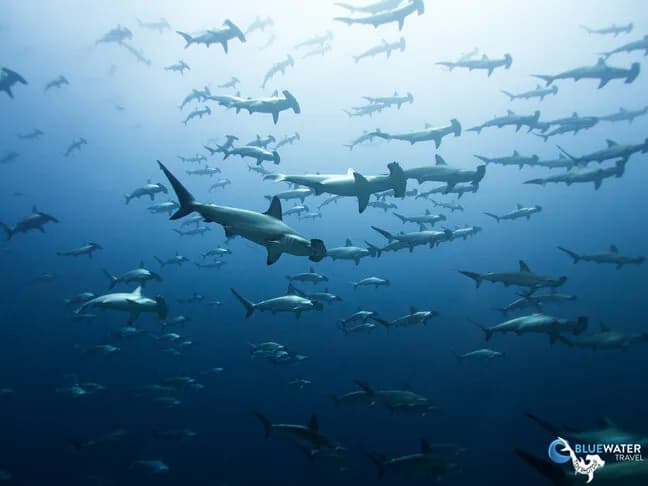
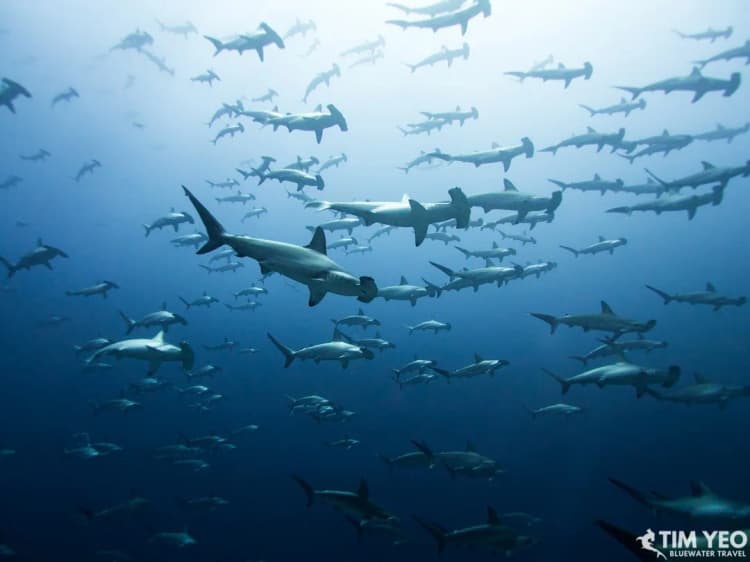
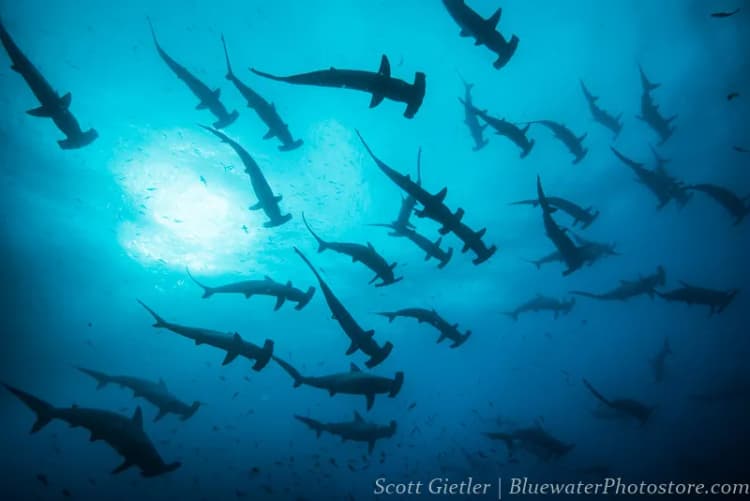
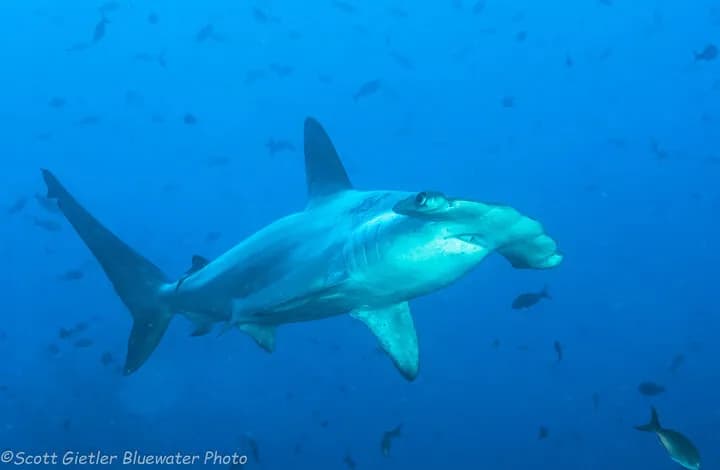
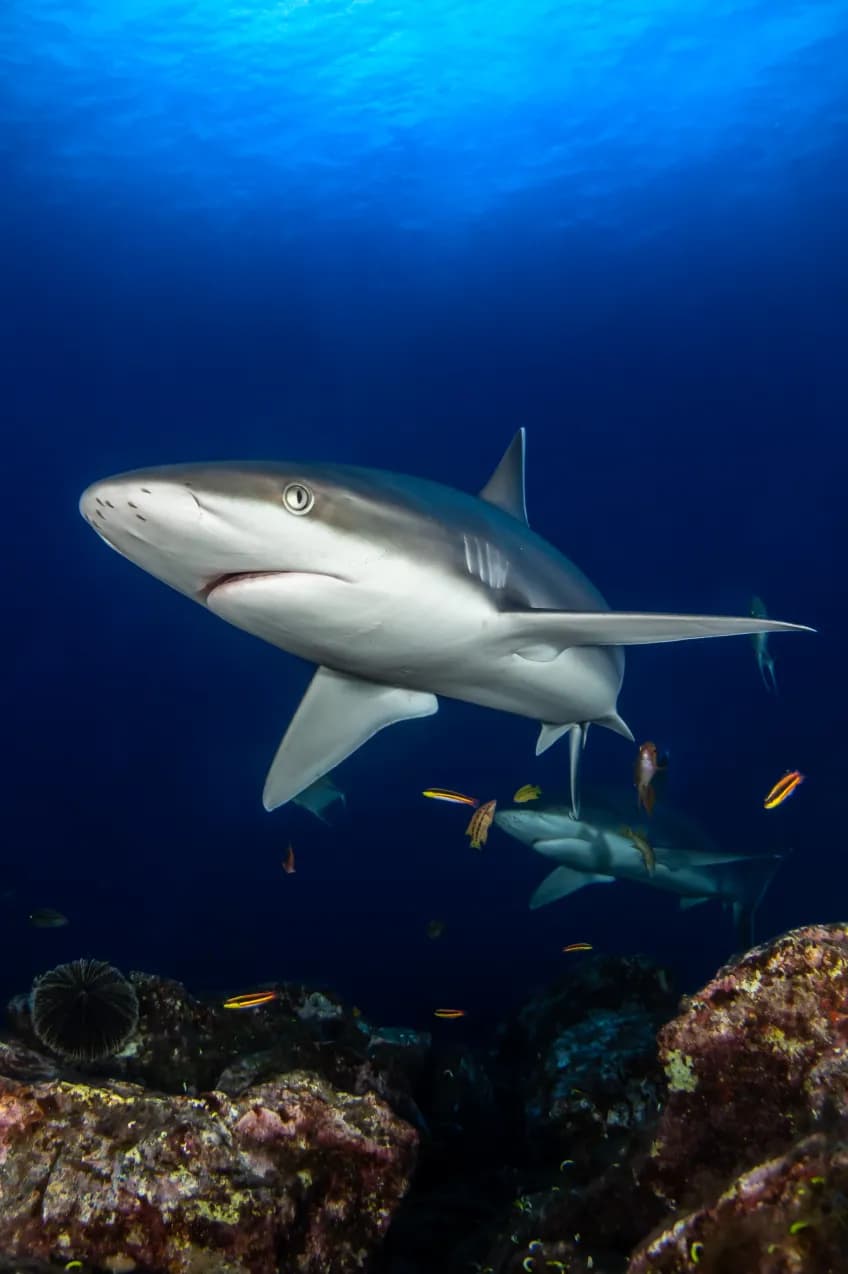
Scuba diving Galapagos is best known for the BIG and RARE marine life. Hammerhead sharks, 30+ other species of sharks, the ultra-rare marine iguana, and so much more. If you dive at the right time, you'll be surprised with the number of "bucket list" marine animals that can cross off your list within a week of scuba diving in Galapagos.


 Reviews Inquire Now


Average flight time from LAX
13 hours

Scuba Dive Level
All Levels

Visibility
30 to 100 feet (9 to 30 meters)

70°F / 21°C
Average Water Temperature

Pelagic Encounters

Shark Encounters
Scuba Diving In The Galapagos
A bucket-list destination for all divers, scuba diving Galapagos Islands is an unforgettable experience. Divers seeking encounters with big marine life, rare animals found only in the area, and the most sensational underwater photography opportunities imaginable will find everything they are looking for and more while scuba diving Galapagos Islands.
Galapagos Diving Highlights
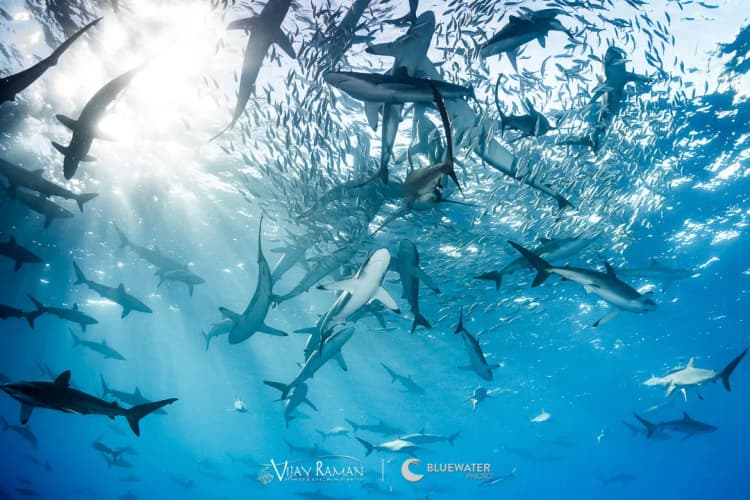
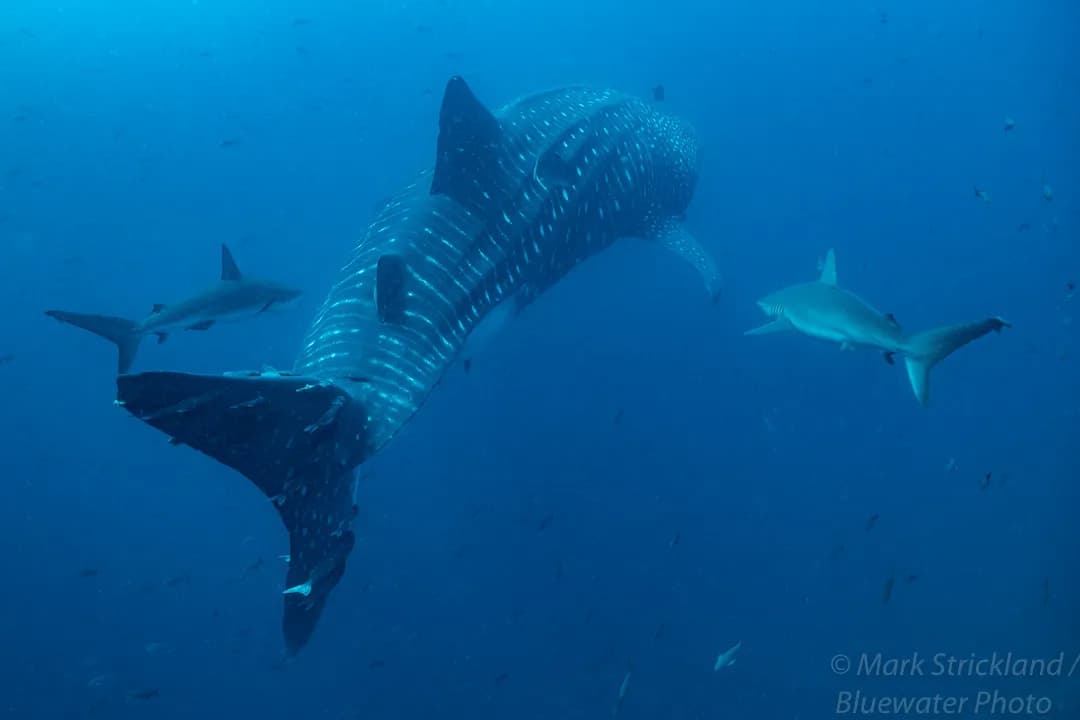
The scuba diving in the Galapagos Islands is best known for its big and rare marine life. Think lots of hammerhead sharks and 30+ other species of sharks, the ultra-rare marine iguana, manta rays, turtles, and many more. If you dive at the right time, you'll be surprised with the number of "bucket list" marine animals that you can cross off your list within a week of Galapagos scuba diving.
Watch our 2024 webinar where we discuss travel and diving in Galapagos and share some incredible images from our team:
Bluewater Travel Galapagos Webinar 2024
Galapagos Liveaboards & Dive Resorts
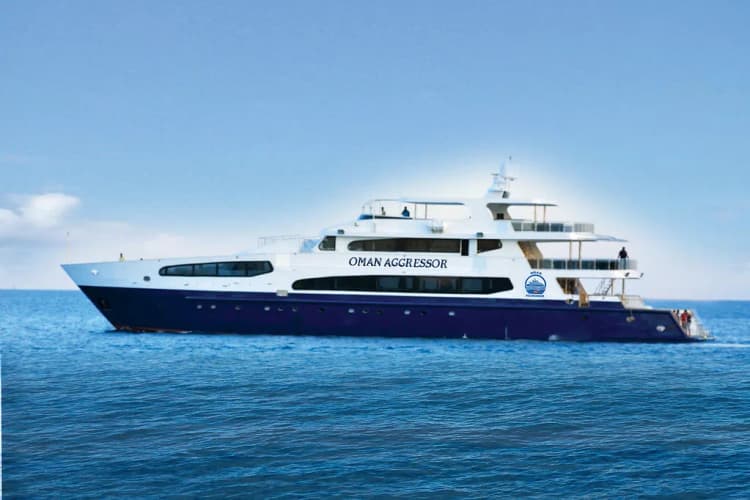
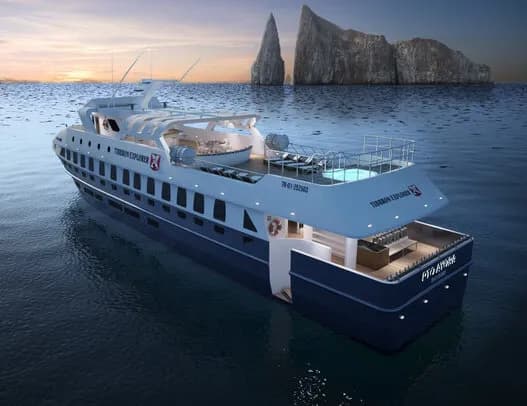
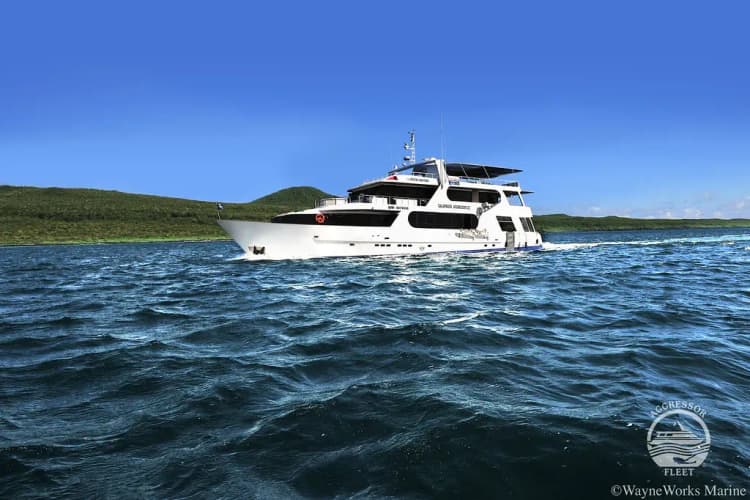
Scuba diving the Galapagos Islands via liveaboard is the only way to dive all the best spots in a single visit. Some of the best dives in Galapagos are located at the remote Wolf and Darwin Islands, which would be notoriously difficult, if not impossible, to get to without a Galapagos diving liveaboard. Most liveaboard trips to the Galapagos last 7 nights and typically include a land tour to visit various endemic land animals.
View Galapagos liveaboard live availability and book online at the best price.
Intro to the Galapagos
The Galapagos are volcanic islands in the Pacific Ocean, made famous by Charles Darwin and the National Park that protects them. Situated about 500 nautical miles (925 km) off the coast of Ecuador, the Galapagos are located on the equator.
There are 18 islands in total, with the favorite dive spots being Wolf and Darwin Island, arguably the best dive destination in the world for pelagic life! The islands' isolation has led to unique evolution among the flora and fauna (eventually prompting Darwin to publish The Origin of Species) leading the Ecuadorian government to declare the Galapagos archipelago a national park in 1959.
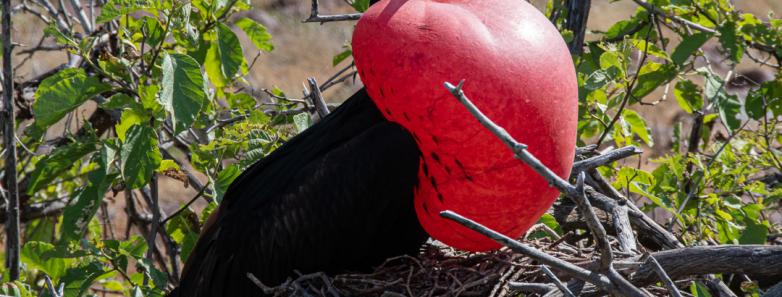
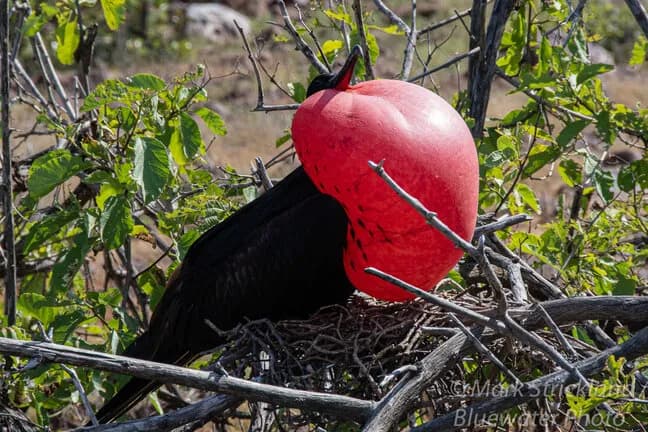
The red balloon frigate. The land excursions in Galapagos are not to be missed!
It has subsequently been recognized as a UNESCO World Heritage Site, which is great news for creatures like the Galapagos giant tortoise and the blue-footed booby, as well as the rich marine life making their home in the islands' surrounding waters.
Each Galapagos scuba diving liveaboard is given set itineraries by the government, which allow divers a wide range of dive opportunities. There are also "traditional" cruises through the islands with snorkeling, hiking, and other non-dive activities, as well as several hotels in Puerto Baquerizo Moreno (Isla San Cristobal) and Puerto Ayora (Isla Santa Cruz) offering land-based diving. If you like big fish and aren't afraid of a thick wetsuit, scuba diving Galapagos Islands is a must.
When to Scuba Dive Galapagos
Scuba diving in the Galapagos Islands is available year-round, but the best time to go highly depends on what you want to see and your tolerance for cold water.
More on the best time to dive Galapagos
Discover the underwater wonders of Galapagos in this video...
Galapagos Diving information
With no shortage of interesting dive sites and marine life encounters, scuba diving Galapagos always impresses even the most seasoned and well-travelled divers! Read on for more information about marine life, diving conditions, and Galapagos dive sites.
The Galapagos Islands are one of the top destinations for seeing large marine life native to warm and cold water climates. The Galapagos is also home to some of the best shark diving in the world! While Galapagos is indeed a wide-angle photographer's paradise, you shouldn't leave the macro lens at home. Lots of small critters can be found at various dive sites. Grab your underwater camera housing and let's go!
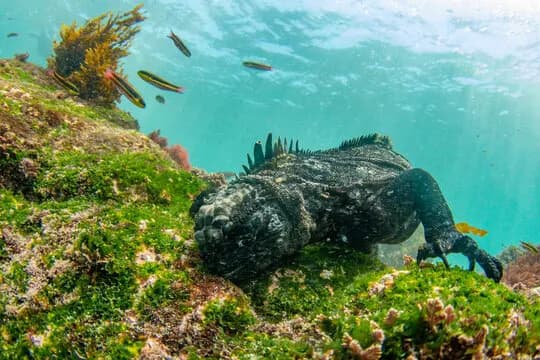
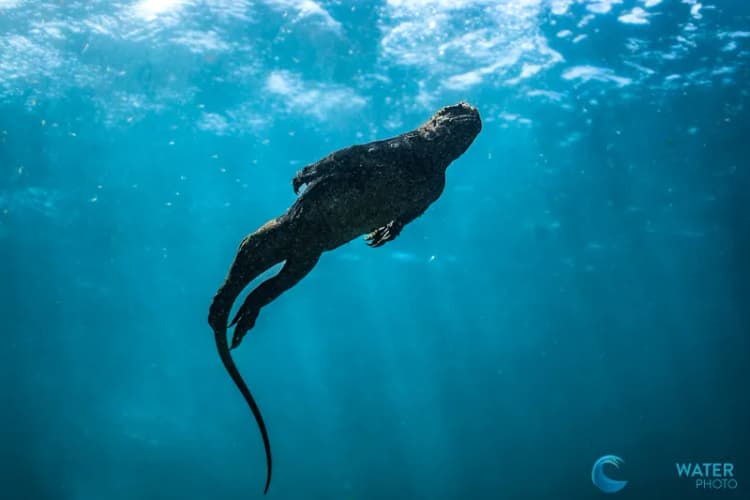
Among the many unusual highlights while scuba diving in the Galapagos are marine iguanas, found underwater munching on algae and seaweed. They can reach 4-5 feet (1.2 - 1.5 meters) in length! Each island has unique species, which have evolved independently from their land-based counterparts in South America.
List of some of the marine animals that you'll likely to see in Galapagos:
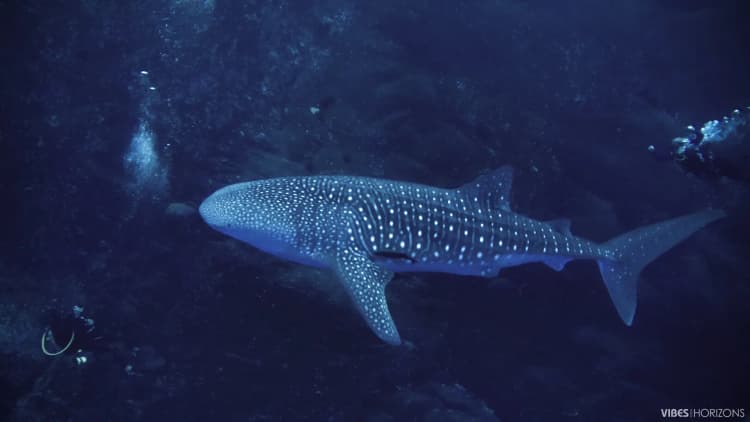
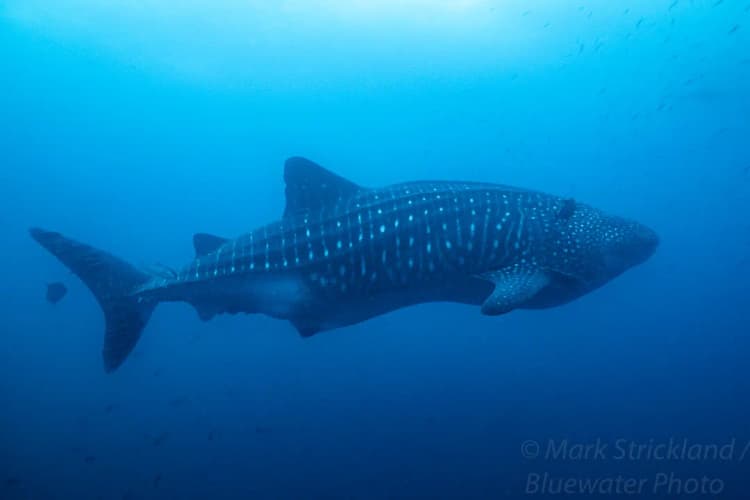
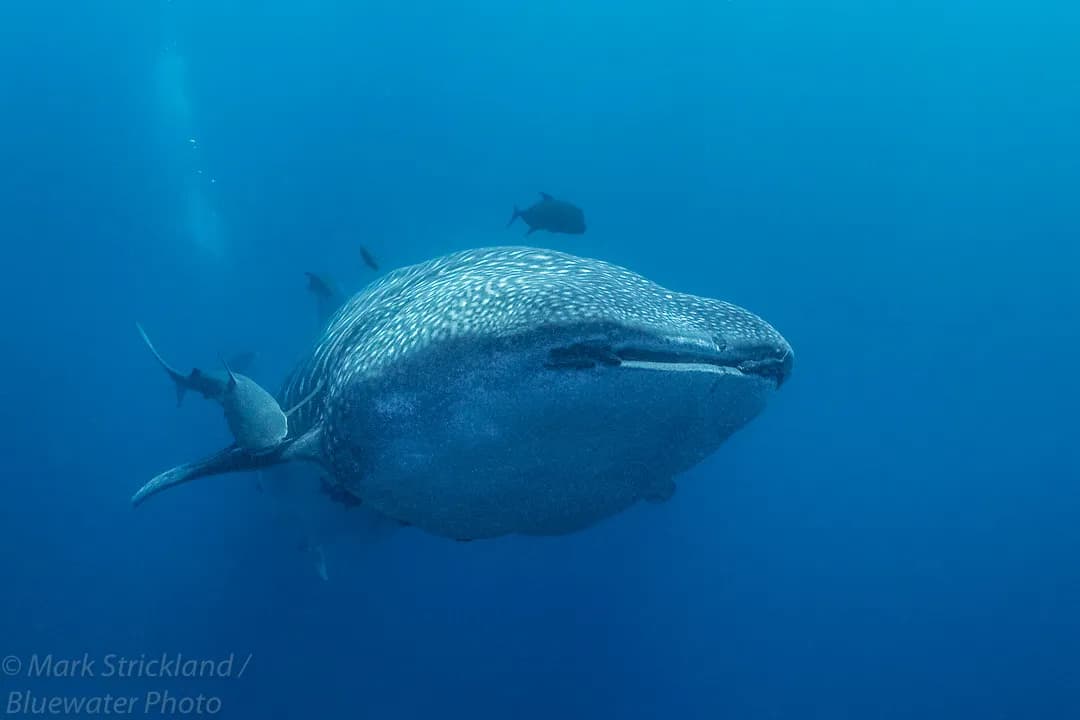
- Whale shark
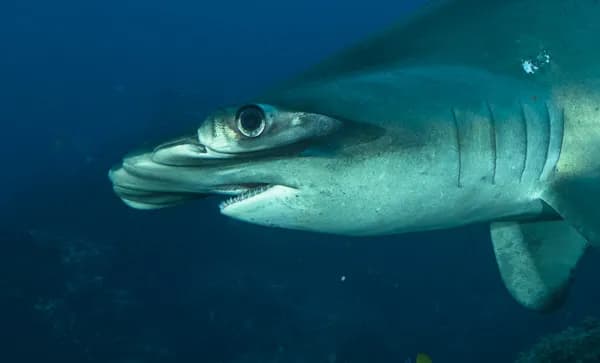
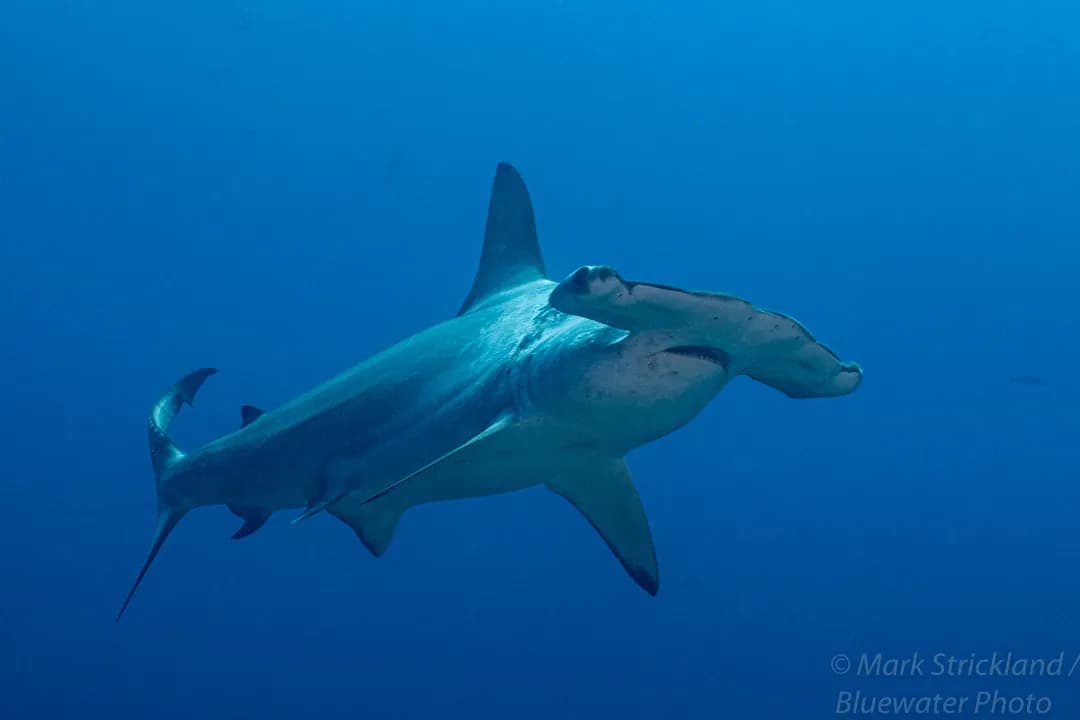
- Hammerhead sharks
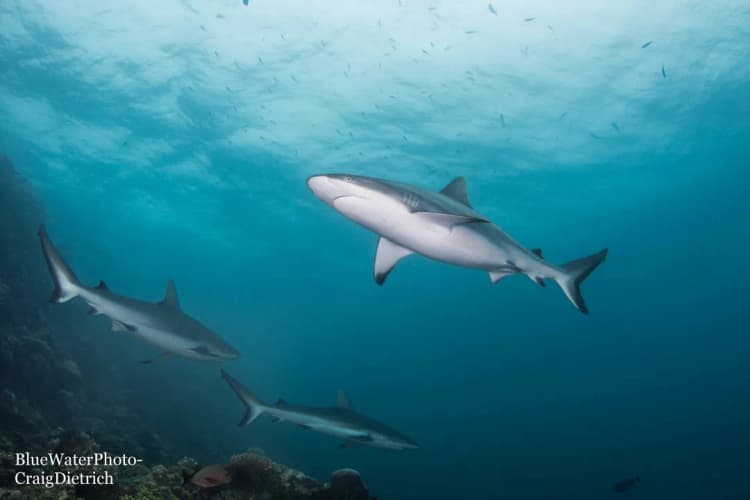
- Silky sharks
- Galapagos sharks
- Reef sharks
- Eels
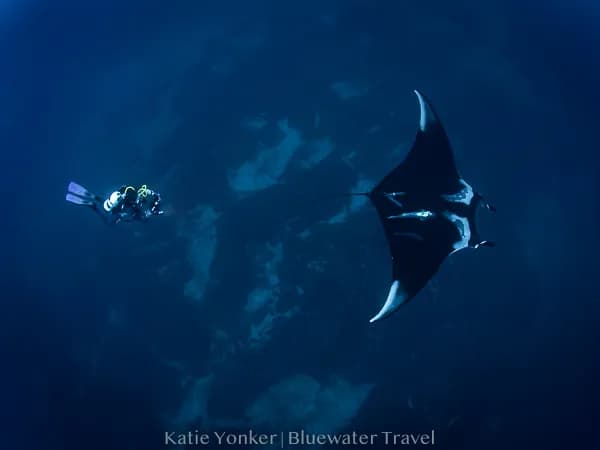
- Manta Rays
- Dolphins
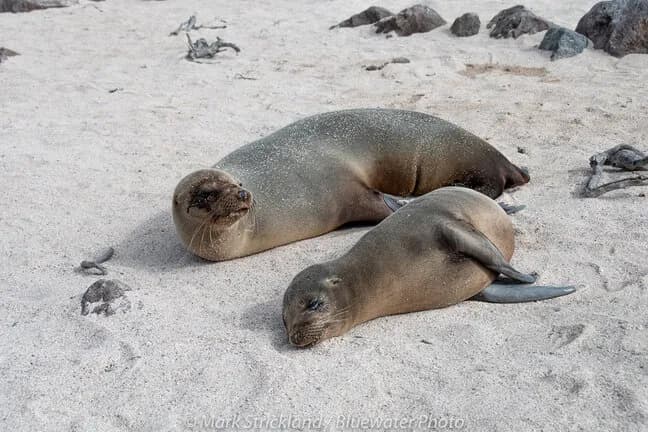
- Sea lions
- Turtles
- Marlin
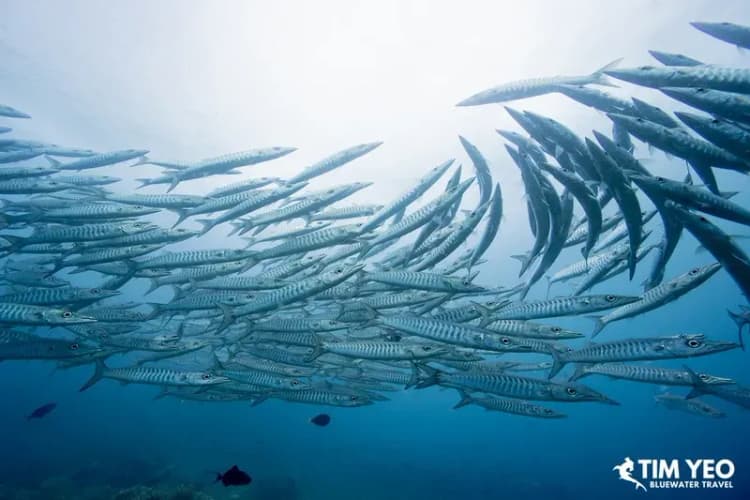
- Large schools of fish
- Marine iguanas
- Frogfish
- Octopus
- Seahorses
- Nudibranchs
Best Time to Scuba Dive Galapagos
The best time to scuba dive Galapagos highly depends on what you'd like to see! The diving season in Galapagos is generally divided into two categories: Whale Shark Season (June-November) and Manta Season (December-May) when it's slightly warmer.
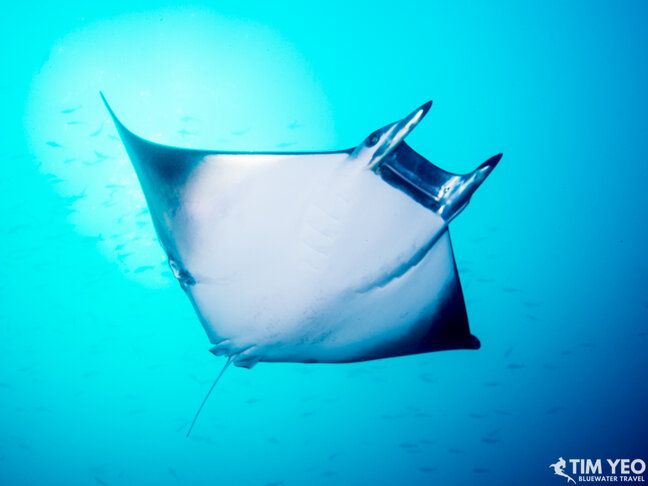
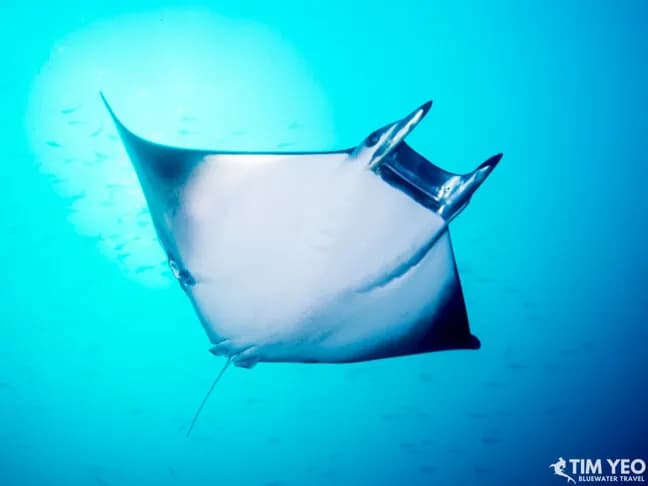
Manta Ray drifting overhead during our 2019 group trip to Galapagos.
During the warmer Manta Season (December-May) the schools of hammerheads are generally larger and giant manta rays may be found off Isabela island. There is also some interesting mating behavior with the marine iguanas and world-famous blue-footed boobies. And, being the warm season, ocean surface conditions are calmer (for a smoother boat experience) with sunshine.
May is an awesome time for scuba diving Galapagos. It's one month earlier than the "official" whale shark season, but there's still a good chance to see whale sharks.
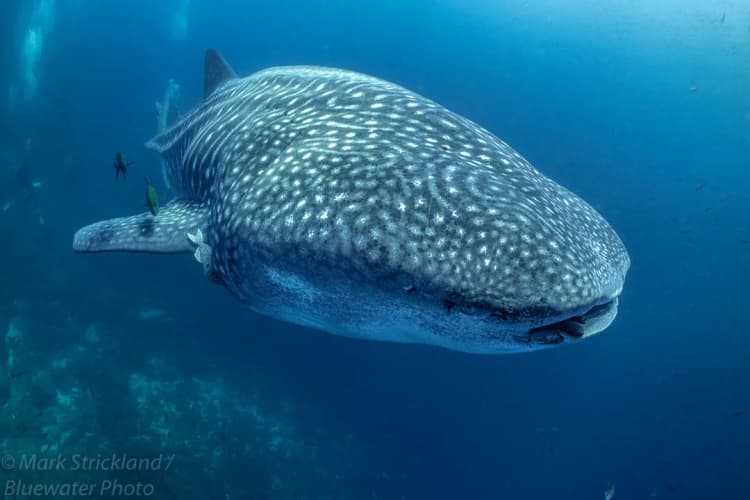
During the colder Whale Shark Season (June-November) the gentle giants come to feed on the plankton off Wolf and Darwin Islands. Fish life is also much more active due to the increased levels of nutrients in the water. On the downside, conditions may be rougher on the boats with limited sunshine.
The decision is ultimately yours, but feel free to ask us about our experiences during the different seasons. We've been booking and running successful trips to the Galapagos for many years and can give you recommendations based on your preferences!
Interested in underwater photography? Check out next Galapagos Photo Workshop in May 2026. Daily workshops provided by photo pros at no extra cost!
Galapagos Diving Conditions
- December - May: Warm season with the highest water and air temps. Water temperature ranges from 70-86°F (21-30°C) with some cooler thermoclines at depth. Visibility stays between 40-100 feet (12-33 meters).
- June - November: Cooler season with frequent mist and overcast days. Water temperature is 60-75°F (16-24°C). Conditions may be rougher, but marine life is abundant due to nutrient-rich currents.
Galapagos Diving Difficulty
Galapagos scuba diving is for advanced divers. Not only is the water cold enough to warrant a 5mm or 7mm wetsuit, but there can be strong currents, choppy water, and other conditions requiring experience beyond casual open-water certification.
Most divers visit the islands on liveaboards, which use small inflatable boats to access specific dive sites. Galapagos liveaboards vary in the number of dives offered per day, and also the number of dives at Wolf and Darwin Islands (popular for pelagics and seasonal whale sharks). Most Galapagos dive trips are now 8 days and 7 nights, offering 21 - 22 dives. Most boats will do 4 dives a day, including a night dive.
Best Dive Sites in the Galapagos
- El Arco, Darwin Island: Schooling hammerheads, whale sharks, and spotted eagle rays.
- El Arenal, Darwin Island: Big-eye jacks, hammerhead, blacktip, and whale sharks.
- Roca Redonda, Isabela Island: Galapagos sharks, schools of hammerheads, and barracudas.
- Cape Douglas, Fernandina Island: Penguins, fur seals, sea lions, and marine iguanas.
- Pitt Point, San Cristobal Island: Schools of snapper, grunt, jacks, and diving boobies.
- Camaño Islet, Santa Cruz Island: Batfish, seahorses, groupers, sharks, and sea lions.
Galapagos Travel Information
Getting there may seem more complicated than some destinations, but rest assured, the travel is worthwhile to experience scuba diving Galapagos. Just be sure to plan your flights so you arrive early to mitigate the risk of missing your Galapagos liveaboard departure.
How to Get to the Galapagos
You can fly internationally into Mariscal Sucre International Airport (UIO) in Quito or José Joaquín de Olmedo International Airport (GYE) in Guayaquil, both in Ecuador.
Most liveaboard trips depart from either San Cristobal (SCY) or Isla Baltra (GPS). Daily airline transfers available from Guayaquil to both locations, with an easy transfer flight from Quito available (stay on the same plane). It's recommended to fly into either Quito or Guayaquil 1-2 days before your liveaboard transfer since there are morning departures only, which don't sync up with arriving international flights. The flight to the Galapagos is about 2 hours.
Both Quito and Guayaquil have a wide range of hotel accommodations and plenty to explore while staying there. Quito is the capital city of Ecuador and a UNESCO heritage site at 7,900 feet in the Andes. The Mariscal Sucre is a popular part of the city for visiting tourists, however, it is 45-60 minutes from the airport. The Malecon in Guayaquil is popular with tourists, situated right on the Rio Guayas.
How to Scuba Dive Galapagos
For serious divers, we strongly recommend booking a liveaboard trip to Galapagos. Liveaboards will provide the most variety in dive locations and are the only way to access the famous Wolf and Darwin Islands. Land-based diving is available with 2-tank morning dives, however, the dive sites are limited in range from the port.
Here at Bluewater Travel, we run guided trips and photo trips to the Galapagos every year. Our trips are carefully planned to hit the best diving spots during the best time of year. Daily photo workshops by photo pros are provided at no extra cost.
Our travel advisors can help you plan everything from A to Z and our trip leaders will be there to make sure that your vacation runs smoothly.
All that at no additional cost to you!
See all Galapagos liveaboards, view our next dive trips to the Galapagos or contact us to start planning your dream trip!
Other Things To Do in Galapagos
While scuba diving Galapagos is the most sought-after activity, most Galapagos liveaboards include several land excursions during the trip that shouldn't be missed. These are opportunities to see land-based birds, penguins, and the famed Galapagos giant tortoises. The non-dive activities differ depending on the trip itinerary and season, so be sure to check the specific itinerary of your trip for the land excursion details.
Check out Komodo Island diving for another unique destination with fantastic topside wildlife and great diving.
Other Useful Information
Travel to a new region requires a bit of practical knowledge, and the team at Bluewater Travel is here to help you with all the details for scuba diving Galapagos. Read our list of Galapagos travel tips for more information. Don't see what you're looking for? Contact us and our team will be happy to assist.
Practical Information
- Currency: US Dollar
- Language: The predominant and official language of Ecuador is Spanish. English is the most spoken foreign language amongst tourist providers and professionals.
- Main Airport Code: GPS
- Time Zone: UTC-5
- Electricity: 120 V 60 Hz
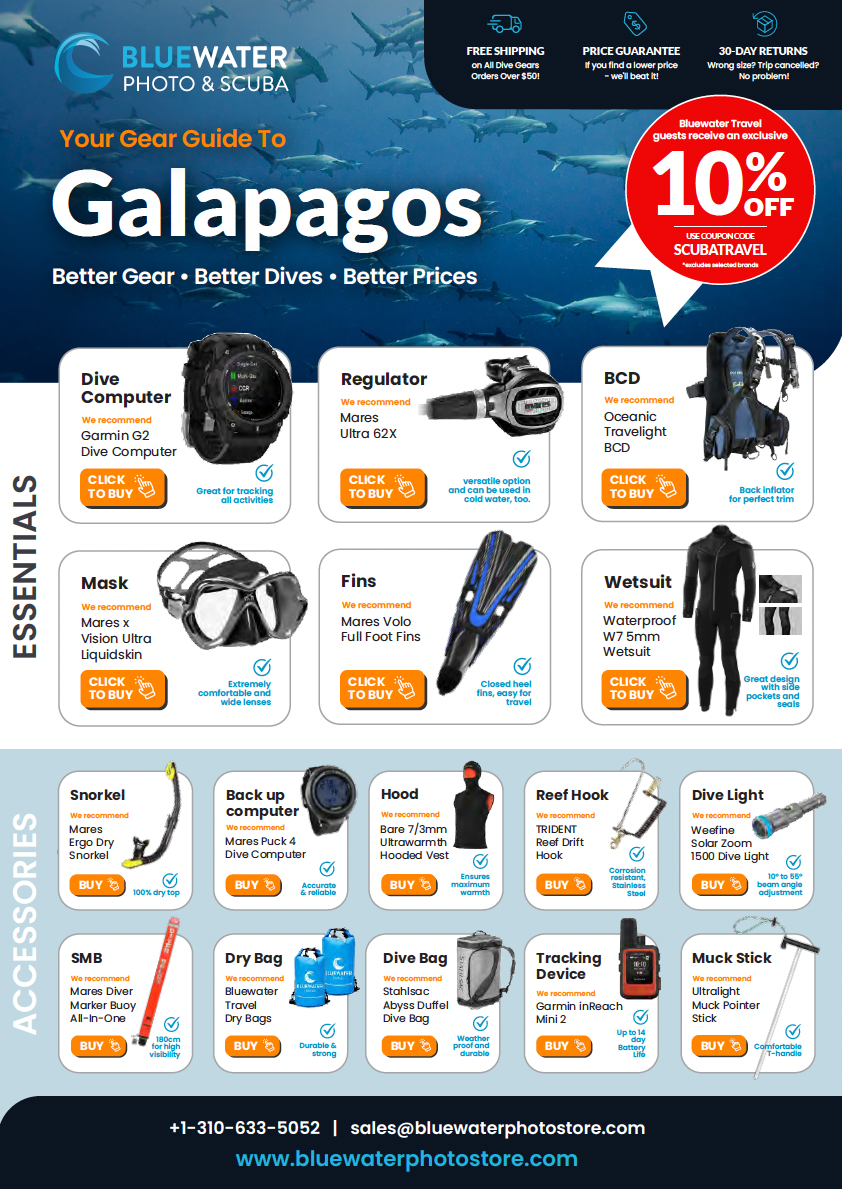
Recommended Scuba Gear
Download our full scuba gear guide to
 Accommodations
 Overall Value


 Galapagos